


 English

Flexible Copper Busbar
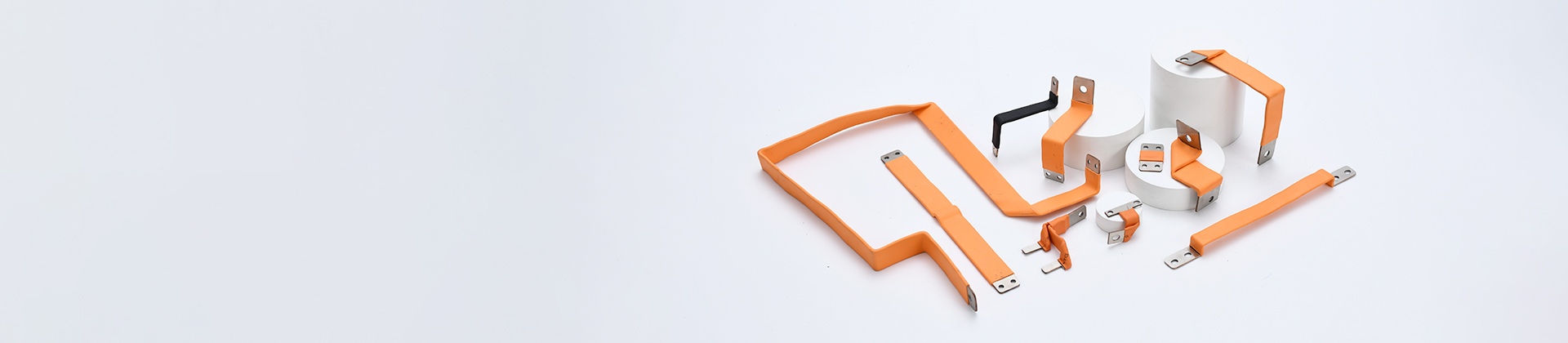

An electrical panel bus bar is a critical power distribution component designed to efficiently and safely transmit electrical current within distribution panels, panel boards, and control cabinets. As global electrical systems continue to demand higher efficiency, compact design, and enhanced safety, the bus bar in an electrical panel has become the preferred solution over traditional wiring.
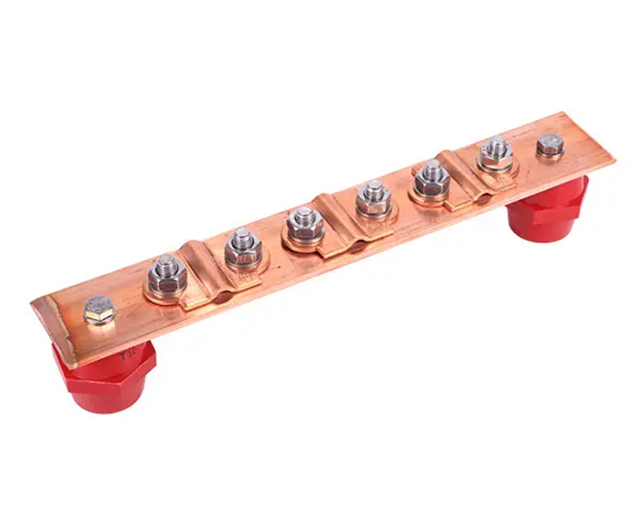
What is a bus bar in an electrical panel?
A bus bar is a rigid conductor—typically made from copper or aluminum—mounted inside an electrical panel to distribute power from a main incoming supply to multiple outgoing circuits. The bus bar on an electrical panel replaces complex cable assemblies, enabling cleaner layouts, higher current capacity, and better thermal performance.
A complete bus bar panel board usually includes:
Phase bus bars
Neutral bus bars
Ground Bus Bar Electrical panel components
Together, they form a stable and organized power distribution system.
High Current Carrying Capacity
The busbar in electrical panel design supports large currents with minimal voltage drop, ideal for industrial and commercial applications.
Superior Conductivity Materials
Available in copper, aluminum, or tin-plated copper to ensure low resistance and long service life.
Compact & Organized Layout
Using a bus bar panel board significantly reduces wiring clutter and improves accessibility for inspection and maintenance.
Enhanced Safety
Fewer connection points reduce overheating risks and improve overall electrical reliability.
A dedicated ground bar for electrical panel is essential for system safety. The ground busbar in panel provides a secure path for fault currents, protecting equipment and personnel.
Ensures compliance with international electrical standards
Improves grounding consistency across the system
Reduces electrical noise and fault risks
Options include:
Ground bar panel with pre-drilled mounting holes
Insulated or bare ground bus bar electrical panel configurations
Electrical panel bus bars are widely used in:
Low-voltage and medium-voltage distribution panels
Industrial control cabinets
Commercial building electrical panels
Data centers and server rooms
Renewable energy systems (solar, EV charging, energy storage)
Whether in a compact enclosure or a large bus bar panel board, these systems ensure efficient power delivery.
Over time, oxidation, contamination, or mechanical wear may require replacing busbar electrical panel components. Modern bus bars are designed for easy replacement, minimizing downtime during system upgrades or expansion.
Proper maintenance extends service life. How to clean electrical panel bus bar safely:
Disconnect all power sources
Use a dry, non-abrasive cloth or approved electrical contact cleaner
Inspect for corrosion or discoloration
Re-tighten mounting hardware if needed
Regular cleaning helps maintain optimal conductivity and thermal performance.
Precision-manufactured for stable current distribution
Compatible with international panel standards
Customizable sizes, hole patterns, and plating options
Suitable for OEM, ODM, and bulk export orders
Our electrical panel busbar solutions are engineered for durability, safety, and high electrical performance, making them ideal for global markets.
A high-quality bus bar in electrical panel is the backbone of efficient power distribution. From phase conductors to ground bus bar electrical panel solutions, the right bus bar system enhances safety, reduces energy loss, and simplifies panel design.
For reliable performance, easier maintenance, and scalable power distribution, choosing the right electrical panel bus bar is a smart investment for modern electrical infrastructure.
A bus bar in an electrical panel is a rigid metal conductor used to distribute electrical power from the main supply to multiple outgoing circuits. An electrical panel bus bar replaces complex wiring with a clean, high-capacity current path, improving efficiency, safety, and organization inside the panel.
The bus bar on an electrical panel serves three main purposes:
Efficient power distribution
Reduced wiring complexity
Improved heat dissipation
Compared to cables, a busbar in electrical panel systems supports higher current loads and enhances long-term reliability.
Most electrical panel busbar products are manufactured from:
Copper (highest conductivity)
Aluminum (lightweight and cost-effective)
Tin-plated copper (corrosion resistance)
Material selection depends on current rating, installation environment, and budget.
A ground bar for electrical panel is a dedicated conductor used to safely route fault currents to earth. The ground bus bar electrical panel ensures system grounding compliance and protects both equipment and personnel from electrical faults.
Phase bus bar: Distributes live electrical power
Ground bar panel: Provides a safe grounding path
A ground busbar in panel does not carry current under normal operation but is essential for electrical safety.
How to clean electrical panel bus bar correctly:
Shut off all power sources
Use a dry cloth or approved electrical contact cleaner
Remove dust, oxidation, or contaminants
Inspect for overheating or discoloration
Regular cleaning helps maintain conductivity and extend the lifespan of the bus bar in electrical panel.
Replacing busbar electrical panel parts is recommended when:
Excessive corrosion or pitting is present
Overheating or burn marks appear
Expansion or system upgrades require higher current capacity
Timely replacement ensures system safety and performance.
Yes. A bus bar panel board is specifically designed for high-current distribution in industrial, commercial, and energy systems. Its low resistance and strong mechanical structure make it ideal for demanding electrical environments.
Yes. Electrical panel bus bar systems can be customized in:
Length, thickness, and width
Hole patterns and mounting styles
Insulation coatings and surface plating
Customization is widely available for OEM and bulk export projects.
Most ground bus bar electrical panel solutions are manufactured to comply with international electrical standards such as IEC, UL, and CE requirements, depending on the target market and application.

Copyright © 2026 G AND N FORTUNE LIMITED All rights reserved.