


 English

Flexible Copper Busbar
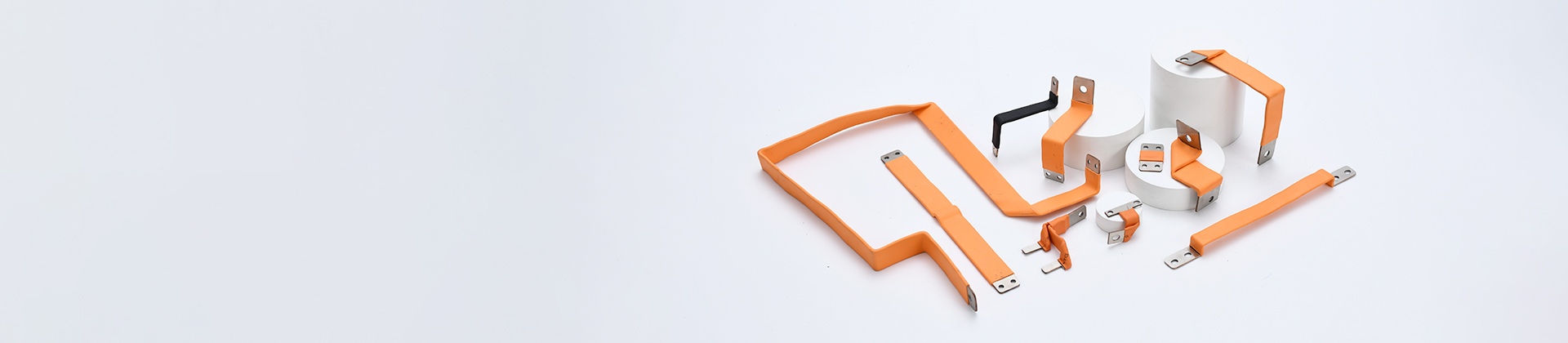
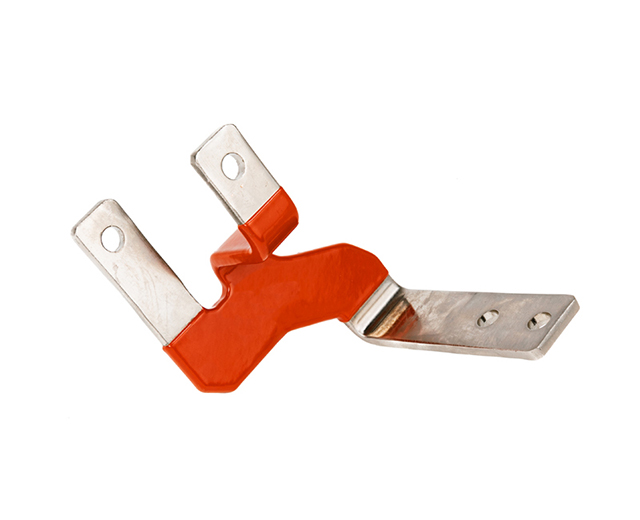
A Busbar power system is a critical component in modern electrical and automotive power distribution networks. Designed for efficient, reliable, and high-current transmission, a Power Busbar ensures stable energy flow in busbar electrical panels, automotive systems, and industrial power setups.
We provide advanced power distribution terminal bus bars, including 48V bus bars and customized solutions for a wide range of applications. Our Busbars are engineered to deliver optimal conductivity, durability, and safety for B2B clients worldwide.
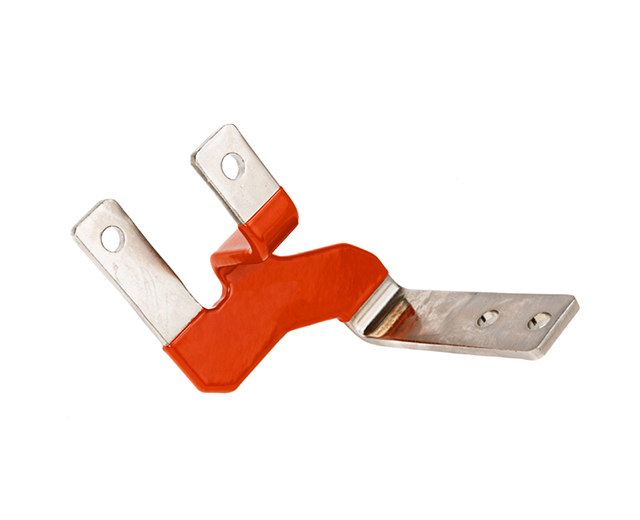
A busbar power solution is essentially a metallic conductor, usually made from copper or aluminum, that distributes high electrical currents across power busbar systems efficiently. Unlike traditional cabling, a bus bar power system offers:
Lower electrical resistance
Compact and organized installation
Superior heat dissipation
Enhanced safety and reliability
Applications range from busbar electrical panels to automotive high-current systems, 48V DC battery packs, and industrial power distribution.
The production of a power busbar or busbar electrical panel component involves several critical steps:
Material Selection
High-purity copper or aluminum for excellent conductivity.
Cutting & Forming
CNC machining, stamping, or bending to precise dimensions.
Surface Treatment
Tin plating, silver plating, or nickel plating to enhance conductivity and prevent corrosion.
Lamination & Insulation (Optional)
For laminated or insulated busbars, conductive layers are bonded with insulation films to reduce inductance and improve safety.
Quality Inspection
Dimensional checks, conductivity tests, and current load verification to meet international standards (IEC, UL).
Compared to other suppliers, our power busbar systems stand out with:
Copper busbars with minimal electrical loss
Stable current flow even in high-power applications
Busbars automotive, 48V bus bar, and custom layouts supported
Precise dimensions for easy integration into panels or battery systems
Optional laminated or insulated busbars reduce short-circuit risks
Superior thermal performance
Corrosion-resistant surface treatments
High mechanical strength for industrial or automotive environments
Strict dimensional and electrical tests
Batch traceability for consistent performance
| Material | Features | Applications |
|---|---|---|
| Copper | Excellent conductivity, low resistance | Electrical panels, EV systems, industrial power distribution |
| Aluminum | Lightweight, cost-effective | Busbar power system for automotive & low-voltage distribution |
| Laminated Copper | Low inductance, reduced EMI | Inverters, battery packs, high-frequency switching |
| Insulated Flexible Busbar | Vibration-resistant | Automotive 48V bus bar, battery busbar systems |
| Parameter | Typical Range |
|---|---|
| Thickness | 1 – 20 mm |
| Width | 10 – 200 mm |
| Current Capacity | 50 – 6000 A |
| Voltage | Up to 1000 V (DC or AC) |
| Material | Copper / Aluminum |
| Surface Treatment | Tin, Silver, Nickel plating |
| Customization | Supported for custom busbars |
Busbar electrical panels in industrial and commercial installations
Power distribution terminal bus bar systems
Busbars automotive: EVs, hybrid vehicles, 48V battery systems
Renewable energy inverters and energy storage
Industrial UPS and high-current DC power systems
Installation Guidelines:
Ensure proper torque on busbar connections
Avoid mechanical stress or bending beyond specifications
Maintain clean, oxide-free contact surfaces
Maintenance Recommendations:
Inspect terminals periodically for tightness
Check for surface oxidation or wear
Monitor temperature rise under full load
Proper installation and maintenance ensure the bus bar power system performs reliably for years.
Customizable solutions including 48V bus bars and automotive busbars
In-house design and engineering support for busbar electrical panels
Advanced surface treatment and insulation technology
Bulk supply capability for industrial and automotive clients
Strict quality control with international certification standards
We are your trusted partner for high-current, reliable, and durable busbar power systems.
Q1: What is the difference between a busbar and a cable?
A busbar carries higher current efficiently with lower resistance, better heat dissipation, and compact installation compared to conventional cables.
Q2: Can I get custom busbars for my application?
Yes, we offer custom busbars, including busbars automotive, 48V bus bar, and specialized power distribution layouts.
Q3: Are laminated busbars better for high-frequency applications?
Yes, laminated copper busbars reduce inductance, EMI, and improve thermal performance in inverters and switching systems.
Q4: How should I maintain my power busbar system?
Regular inspection of terminals, cleaning contact surfaces, and monitoring temperature rise ensures long-term reliability.

Copyright © 2026 G AND N FORTUNE LIMITED All rights reserved.