


 English

Flexible Copper Busbar
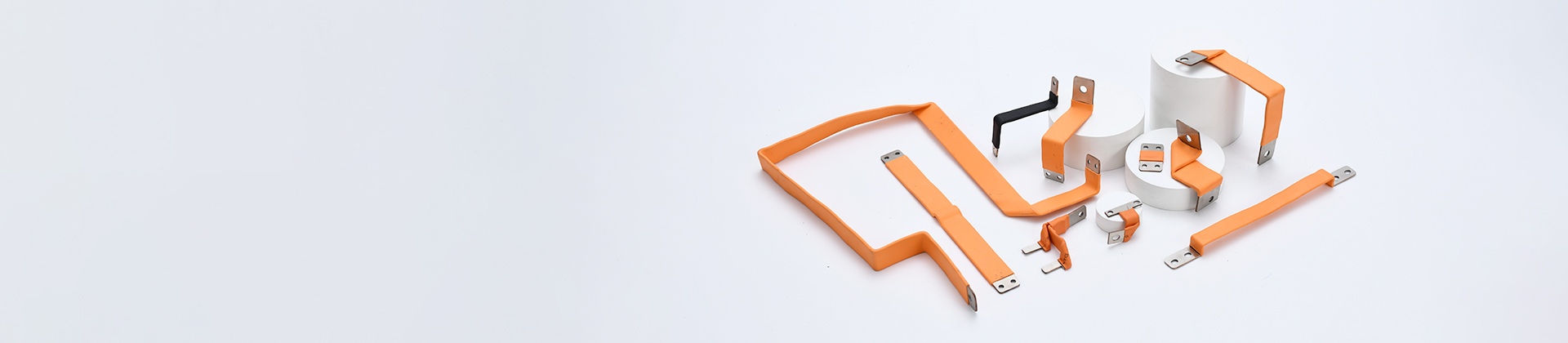
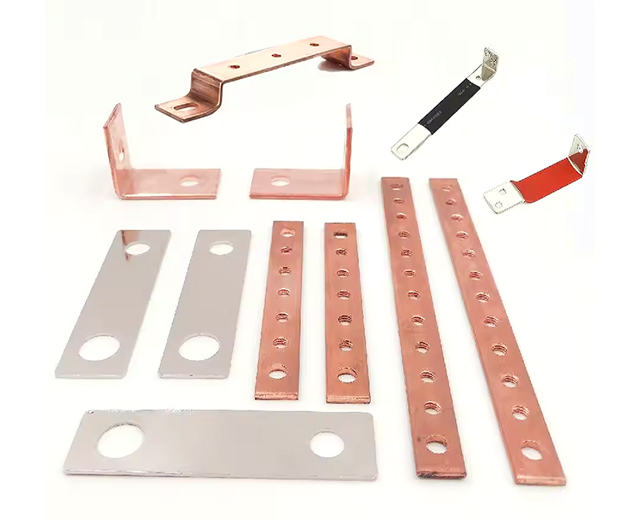
In modern industrial automation and power distribution, the Busbar in control panel is a key component for safe, stable, and efficient current transmission. Compared with traditional cable wiring, a well-designed control panel busbar systems solution offers cleaner layout, lower resistance, better heat dissipation, and easier maintenance.
For buyers, panel builders, and OEM manufacturers, understanding how a busbar in panel works, how it is manufactured, and how to choose the right specification is essential.
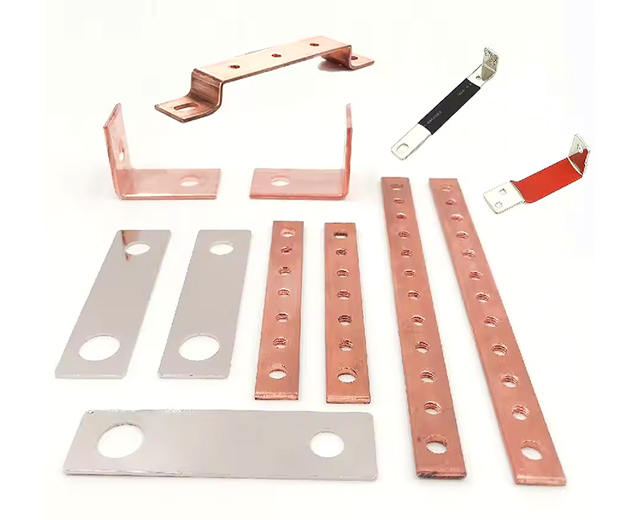
A busbar in control panel is a metallic conductor, usually made of copper or aluminum, used to distribute electrical power inside a panel in a structured and efficient way. It serves as the main conductive path between incoming power, breakers, switches, terminal blocks, contactors, and other electrical components.
In practical terms, a busbar in panel replaces large bundles of wires with a solid or formed conductor that can handle higher current with lower energy loss. Whether used as an electrical panel bus bar, bus bar panel, or busbar for electrical panels, it improves both electrical performance and panel organization.
A bus bar in panel is commonly found in:
Industrial control cabinets
Power distribution boards
Motor control centers
Renewable energy cabinets
Solar combiner boxes
Automation systems
The working principle of a busbar in electrical panel is simple: it collects current from the main incoming power source and distributes that power to multiple outgoing circuits or devices inside the panel.
A properly designed control panel busbar systems solution can:
Reduce wiring complexity
Improve power distribution stability
Lower contact resistance
Support high-current applications
Make panel layout more compact and professional
When installed correctly, the bus bar on electrical panel acts as the backbone of the system, allowing safe and continuous power flow to all connected components.
The manufacturing process of a busbar in control panel directly affects conductivity, safety, durability, and installation performance. A high-quality busbar panel product is usually produced through the following steps:
The process starts with choosing the right raw material, usually electrolytic copper, tinned copper, or aluminum. Copper is preferred for higher conductivity, while aluminum is selected when lower weight and cost are priorities.
The metal is cut into the required length and width according to panel design drawings and current requirements. Precision cutting ensures dimensional consistency for every busbar for electrical panels project.
Mounting holes, slots, and connection points are processed by punching, laser cutting, or CNC machining. This step ensures the busbar in panel board fits breakers, terminals, and switchgear components accurately.
The conductor is bent into the required shape based on the panel layout. Proper bending radius is critical to avoid stress concentration and ensure easy installation in a bus bar panel system.
Depending on the application, the busbar may receive tin plating, nickel plating, or silver plating to improve corrosion resistance, contact performance, and service life.
For some control panel busbar systems, insulation is added using heat shrink sleeves, epoxy coating, PVC, or other insulating materials. This helps improve safety and reduce the risk of accidental short circuits.
The finished busbar in control panel is inspected for dimensions, conductivity, surface finish, flatness, and hole accuracy. Current-carrying capability and insulation performance can also be tested based on project requirements.
Below is a typical reference table for busbar in electrical panel products. All values can be customized according to your project.
| Parameter | Typical Range / Option |
|---|---|
| Material | T2 Copper, C1100 Copper, Aluminum 1060/1070/6101 |
| Purity | Copper ≥ 99.9% |
| Thickness | 1 mm – 15 mm |
| Width | 10 mm – 200 mm |
| Length | Custom according to drawing |
| Current Capacity | 50A – 5000A |
| Voltage Rating | Up to 1000V AC/DC or custom |
| Surface Treatment | Bare copper, tin plated, nickel plated, silver plated |
| Shape | Flat, bent, punched, laminated, custom formed |
| Insulation Option | PVC, epoxy coating, heat shrink tube, PET sleeve |
| Hole Type | Round holes, slotted holes, threaded holes |
| Connection Type | Bolt connection, rivet connection, terminal lug connection |
| Temperature Rise Design | Based on current load and ventilation condition |
| Standards | RoHS, ISO 9001, IATF 16949, custom compliance support |
| Thickness (mm) | Width (mm) | Approx. Current Capacity* |
|---|---|---|
| 2 | 15 | 100A – 150A |
| 3 | 20 | 150A – 250A |
| 5 | 25 | 250A – 400A |
| 5 | 40 | 400A – 630A |
| 10 | 50 | 800A – 1250A |
| 10 | 100 | 1600A – 2500A |
*Actual current capacity depends on material, temperature rise limit, spacing, airflow, installation direction, and surface treatment.
Choosing the right material is critical for busbar in panel performance.
Copper is the most widely used material for busbar in control panel because of its excellent conductivity, low resistance, and strong mechanical reliability.
Advantages:
High conductivity
Lower voltage drop
Better heat dissipation
Suitable for compact high-current panels
Tinned copper is ideal for environments where oxidation resistance and stable contact performance are important.
Advantages:
Improved corrosion resistance
Better long-term contact reliability
Easier maintenance in humid environments
Aluminum is lighter and more cost-effective than copper, making it a practical choice for some busbar in panel board projects.
Advantages:
Lower material cost
Lightweight
Good conductivity-to-weight ratio
Insulated designs are suitable for safer and more compact control panel busbar systems.
Advantages:
Better short-circuit protection
Improved operator safety
Cleaner and more organized installation
A professionally manufactured busbar in control panel offers clear performance advantages over conventional wiring and many standard market solutions.
Compared with wire bundles, a solid electrical panel bus bar provides lower contact resistance and more stable current flow.
The larger surface area of a bus bar in panel helps dissipate heat more effectively, reducing overheating risk.
A custom busbar panel improves panel appearance, reduces cable clutter, and makes troubleshooting easier.
A correctly sized busbar for electrical panels can safely handle high currents that would require multiple cables.
With pre-punched holes and custom bends, the bus bar on electrical panel installs faster and more accurately.
Compared with loose wiring, a rigid or formed busbar in electrical panel offers better structural stability under vibration or repeated operation.
Compared with many standard suppliers, our busbar in control panel solutions are built for B2B projects that require consistency, customization, and dependable performance.
We support full custom production based on customer drawings, current requirements, and panel layouts. This makes each control panel busbar systems project easier to integrate.
We use high-quality copper and selected aluminum materials to ensure conductivity, mechanical strength, and long service life.
Our production supports CNC cutting, punching, bending, plating, and insulation processing, allowing us to deliver complex busbar in panel designs with stable accuracy.
Every busbar in electrical panel product is checked for dimensions, hole positions, flatness, plating quality, and finishing before shipment.
We offer bare copper, tin-plated, nickel-plated, and other finishes to meet different operating environments.
For foreign trade B2B customers, speed matters. We support sample development, drawing review, and flexible production for customized busbar panel orders.
A busbar in control panel is widely used in many industries where power distribution must be safe, organized, and reliable.
Used for power distribution between incoming supply, breakers, contactors, and control devices.
A busbar in electrical panel is commonly used in low-voltage and medium-voltage power distribution systems.
A busbar in panel board provides efficient current transfer for commercial and industrial power systems.
A busbar in solar panel or solar combiner system helps connect and distribute generated current efficiently.
Suitable for high-current motor applications where stable performance and compact design are required.
Supports structured wiring and stable current distribution in intelligent manufacturing systems.
Ideal for modern power backup and battery-connected installations.
Correct installation and maintenance are essential for long-term performance of any busbar in control panel.
Confirm the current rating matches the actual load.
Ensure all contact surfaces are clean before assembly.
Tighten bolts according to recommended torque values.
Maintain correct spacing between phases and grounded parts.
Use insulation supports and protective covers where necessary.
Avoid excessive bending during installation.
Check hole alignment before fastening the bus bar panel.
Inspect regularly for discoloration, oxidation, or overheating marks.
Recheck connection torque after long-term operation.
Keep the busbar in panel clean and dry.
Replace damaged insulation or corroded contact surfaces promptly.
Use thermal imaging in high-current panels to monitor hot spots.
Never overload the busbar for electrical panels beyond its design current.
Improper spacing can increase heat buildup and short-circuit risk.
Surface damage may reduce contact performance and corrosion resistance.
When sourcing a busbar in control panel for your B2B project, the difference is not only price. The real difference is whether the supplier can deliver stable quality, technical support, and custom manufacturing that fits your application.
Here is why many buyers choose us for busbar in electrical panel and control panel busbar systems projects:
We understand how different industries use busbar in panel products and can recommend more suitable solutions.
From simple flat conductors to complex formed busbar panel parts, we support tailored designs for different panel structures.
We control raw materials, processing accuracy, surface treatment, and final inspection to ensure consistency from sample to mass production.
We support OEM/ODM production, flexible MOQ discussion, technical communication, and efficient order follow-up for international customers.
We focus on stable production scheduling and dependable export service for long-term cooperation.
A busbar in control panel distributes electrical power from the main input to multiple components such as breakers, relays, and terminals. It helps simplify wiring and improve current transmission efficiency.
Copper is usually the best choice for busbar in electrical panel applications because of its high conductivity and strong reliability. Aluminum can also be used when lower weight and lower cost are needed.
Yes. We provide custom manufacturing for busbar in panel, including thickness, width, hole position, bending shape, plating, and insulation.
We can provide bare copper, tin plating, nickel plating, and other custom finishes depending on the environment and connection requirements.
The size depends on current load, temperature rise, ventilation, installation spacing, and material type. Our team can help recommend suitable dimensions based on your application.
They are related but used in different systems. A busbar in solar panel usually refers to current collection in photovoltaic applications, while a busbar in control panel is mainly used for internal power distribution in electrical cabinets.
For industrial use, regular inspection is recommended. Check for loose bolts, discoloration, oxidation, and abnormal temperature rise during scheduled maintenance.
Yes. Insulated busbars are often a better choice for compact control panel busbar systems because they improve safety and reduce the risk of accidental contact.
A high-quality busbar in control panel is more than just a conductor. It is a critical power distribution component that improves electrical efficiency, panel organization, installation speed, and long-term reliability. Whether you need a standard busbar in electrical panel or a fully customized busbar for electrical panels, choosing the right material, structure, and supplier will directly affect your project performance.
If you are looking for a reliable B2B partner for busbar in panel, busbar panel, or advanced control panel busbar systems, we can provide customized solutions designed for your specific application and market needs.

Copyright © 2026 G AND N FORTUNE LIMITED All rights reserved.