


 English

Flexible Copper Busbar
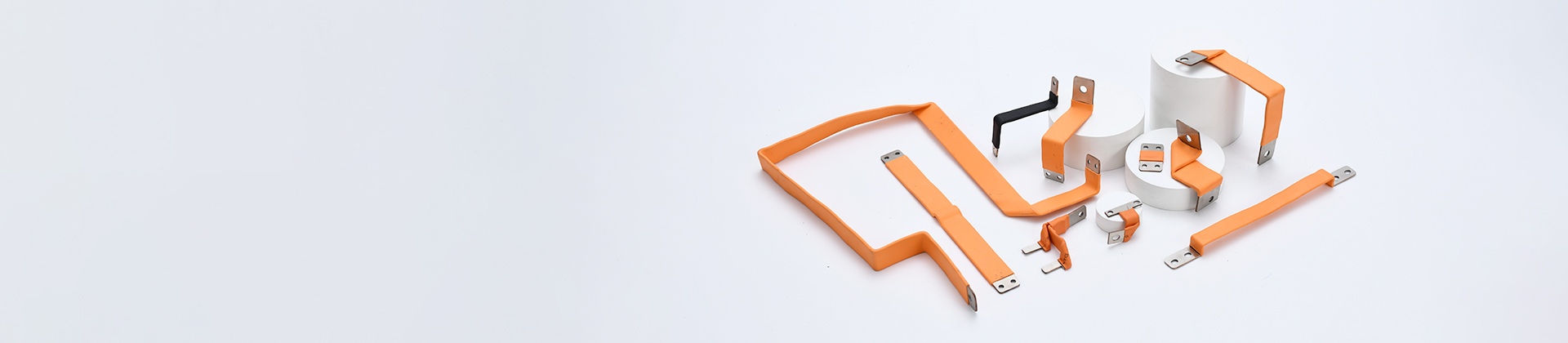
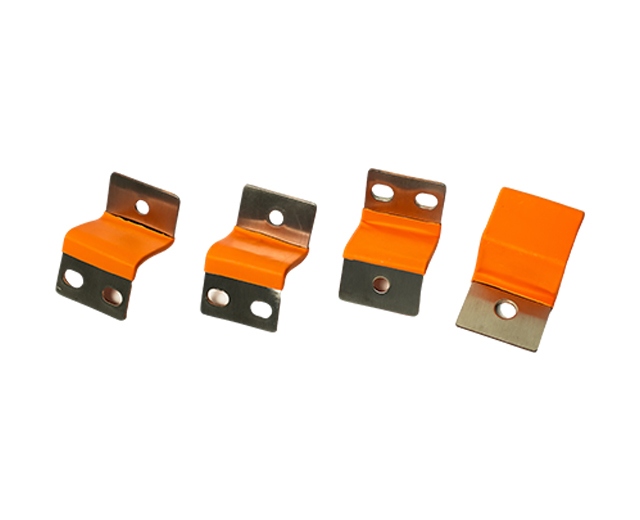
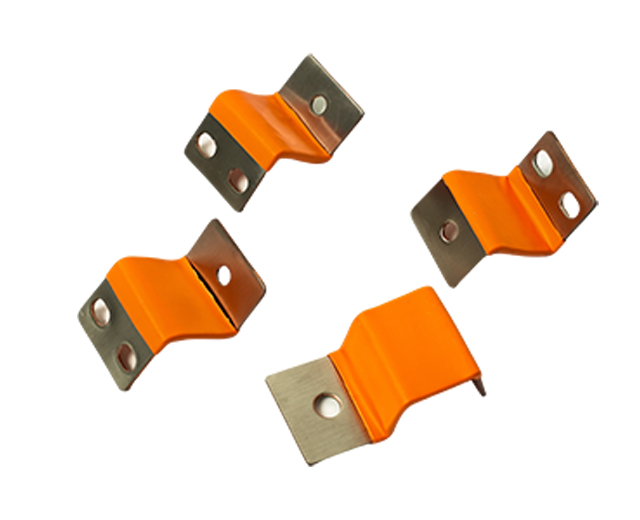
An Insulated Bus Bar (also called Insulated Busbar or Insulated Bus Bars) is an essential electrical component used for power distribution, energy transmission, and safe electrical connection in high-current systems. It is widely used in electric vehicles (EV battery packs), energy storage systems (ESS), industrial power systems, and electrical cabinets.
Compared with traditional busbars, an insulated bus bar features a protective insulation layer that significantly improves safety, reduces short-circuit risks, and ensures stable system operation in demanding environments.
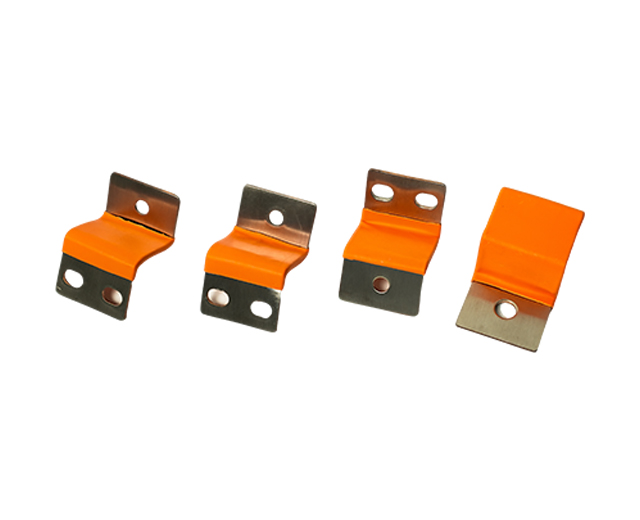
An Insulated Busbar is a metal conductor (usually copper or aluminum) wrapped or coated with insulating materials. It is designed to safely conduct large electrical currents while preventing direct contact, arc faults, and electrical short circuits.
It is commonly referred to as:
Insulated Busbar
Insulated Bus Bars
Copper BusBar Insulated
Insulated Aluminum Busbar
Insulated bus bars are mainly used for:
Power distribution (high-current transmission)
Connecting battery modules, power systems, or electrical devices
Preventing electrical short circuits between conductors
Improving electrical safety and system reliability
Supporting compact and high-density electrical design
In modern battery systems, especially EV and ESS applications, Insulated Flat Battery Accessories Busbar plays a critical role in safe and efficient energy transfer.
A typical insulated bus bar consists of two main parts:
The conductive core ensures stable current flow:
Copper (Copper Bus Bar / Insulated Copper Busbar)
Aluminum (Insulated Aluminum Busbar)
Copper offers higher conductivity, while aluminum provides a lightweight and cost-effective solution.
The insulation protects the conductor and ensures safety. Common materials include:
PVC insulation
Epoxy coating
Heat shrink tubing
Powder coating
Silicone insulation
This insulation layer is what makes the system a true Insulated Busbar solution.
A high-performance solution with excellent conductivity and thermal stability. It is widely used in EV battery packs and high-power systems.
A lightweight and cost-efficient option suitable for energy storage systems and industrial applications.
A rigid structure designed for fixed installations such as power distribution cabinets and stable battery modules.
Designed for vibration resistance and space-limited environments. It allows bending and movement without damaging the conductor.
Combines the flexibility of design with the high conductivity of copper, ideal for dynamic electrical connections.
Built with multiple copper layers laminated together, offering improved flexibility, heat dissipation, and current carrying capacity.
In advanced electrical systems, flexible busbar connectors are often used to absorb vibration and thermal expansion. These flexible busbars are widely used in EV battery packs and renewable energy systems where movement and thermal cycling occur frequently.
Insulated bus bars are widely used in:
Electric Vehicle (EV battery pack systems)
Energy Storage Systems (ESS)
UPS power supply systems
Switchgear and electrical cabinets
Solar and wind power systems
Industrial power distribution systems
The insulation of a bus bar is typically achieved through several industrial methods:
PVC wrapping or extrusion
Epoxy coating process
Powder coating technology
Heat shrink tubing application
Silicone rubber insulation
Each method provides different levels of heat resistance, flexibility, and durability depending on the application environment.
Common insulation materials used in busbars include:
PVC (Polyvinyl Chloride)
Epoxy resin
Silicone rubber
Polyolefin heat shrink materials
Powder-based insulation coatings
These materials ensure electrical isolation, thermal resistance, and mechanical protection.
High electrical safety performance
Prevents short circuits and arc faults
Compact and space-saving design
Improved system reliability
Suitable for high-voltage applications
Supports flexible and rigid installation needs
An Insulated Bus Bar (Insulated Busbar) is a critical component in modern electrical and energy systems. Whether using Insulated Copper Busbar, Insulated Aluminum Busbar, or Insulated Flexible Busbar, it ensures safe, efficient, and stable power distribution.
With multiple structural options such as solid insulated busbar, laminated copper insulated busbars, and flexible busbar connectors, it meets the demands of EV, ESS, and industrial applications.
An insulated bus bar (Insulated Busbar) is a conductive metal bar (copper or aluminum) covered with an insulating layer. It is used for safe high-current power distribution while preventing short circuits and improving electrical safety.
A standard busbar is a bare conductor used for electrical transmission, while an insulated busbar includes a protective insulation layer. This insulation prevents accidental contact, improves safety, and allows use in compact or high-voltage systems.
An Insulated Busbar typically consists of:
Conductors: Copper (Insulated Copper Busbar) or Aluminum (Insulated Aluminum Busbar)
Insulation materials: PVC, epoxy coating, silicone rubber, powder coating, or heat shrink tubing
These materials ensure both conductivity and electrical safety.
Common types include:
Solid Insulated Busbar
Insulated Flexible Busbar / Flexible Busbars
Insulated Copper Busbar
Insulated Aluminum Bus Bar
Laminated Copper Insulated Busbars
Insulated Flexible Copper Bars
Each type is designed for different installation and performance requirements.
Insulated busbars are widely used in:
Electric vehicle (EV battery pack systems)
Energy storage systems (ESS)
Switchgear and electrical cabinets
UPS systems
Solar and wind power systems
Industrial power distribution systems
A bus bar can be insulated using several methods, including:
PVC coating or extrusion
Epoxy resin coating
Heat shrink tubing
Powder coating
Silicone insulation
The choice depends on voltage level, temperature, and application environment.
Common insulation materials include:
PVC (Polyvinyl Chloride)
Epoxy resin
Silicone rubber
Polyolefin heat shrink material
Powder coating layers
These materials provide electrical isolation and thermal protection.
A flexible busbar (flexible busbar connectors) is used in applications where vibration, thermal expansion, or limited space exists. It allows movement while maintaining stable electrical conductivity.

Copyright © 2026 G AND N FORTUNE LIMITED All rights reserved.