


 English

Flexible Copper Busbar

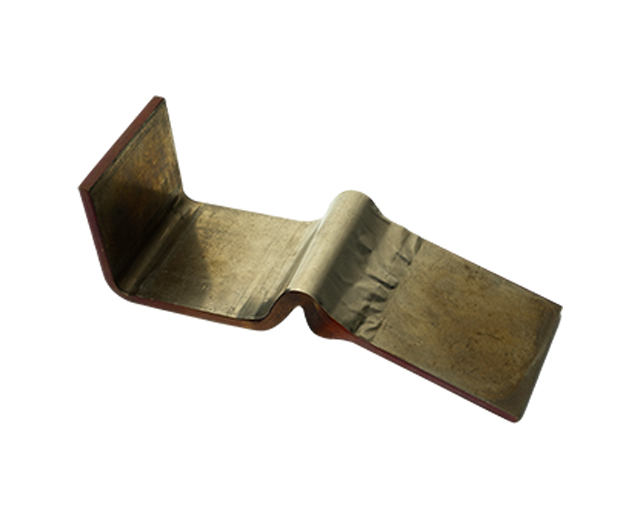
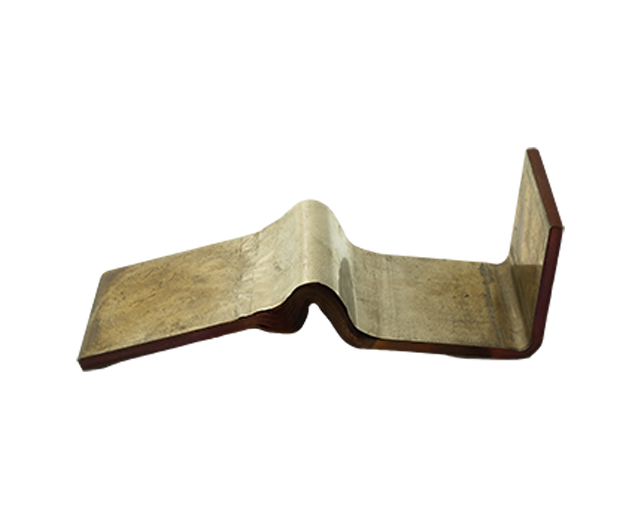
A flexible copper bus bar (also called flexible bus bar, flexible copper bar, or Flexible Busbar copper) is a high-conductivity, bendable electrical conductor designed to connect power components in high-current systems. Unlike rigid busbars, it provides flexibility, vibration resistance, and reliable electrical performance in compact and dynamic environments.
Flexible Copper Busbars are widely used in:
Electric vehicle (EV) battery packs
Energy storage systems (ESS)
UPS power supply systems
Industrial power systems
Switchgear and electrical cabinets
Solar and wind power systems
These busbars efficiently connect battery modules, power systems, and electrical devices while accommodating thermal expansion and mechanical vibrations.
Answering the common question:
What is the use of Flexible Busbar?
It is used for safe, high-current electrical connections where flexibility, vibration resistance, and space constraints are important.
Made from multiple fine copper strands braided together
Extremely flexible and vibration-resistant
Commonly used in EV battery packs and high-performance ESS
Multi-layer copper sheets laminated together
Low electrical resistance and high current carrying capacity
Maintains moderate flexibility while improving mechanical strength
Copper core coated or wrapped with insulation
Ensures electrical safety, prevents short circuits, and allows compact design
Ideal for high-density battery packs and industrial applications
Connect two or more busbars or components while allowing movement
Absorb vibration and reduce mechanical stress on connections
| Feature | Rigid Busbar | Flexible Copper Bus Bar |
|---|---|---|
| Structure | Solid, fixed copper/aluminum | Braided or laminated flexible copper |
| Flexibility | None | High |
| Vibration Resistance | Low | High |
| Installation in tight space | Difficult | Easy |
| Applications | Fixed power distribution | Dynamic systems, EV battery packs, ESS |
Answering the common question:
What is the difference between a rigid busbar and a flexible busbar?
Rigid busbars provide stable, static connections but cannot adapt to vibrations or thermal expansion. Flexible copper bus bars combine high conductivity + mechanical flexibility, improving reliability in dynamic systems.
High conductivity for large current transmission
Absorbs vibrations and mechanical stress
Reduces risk of connection failure in moving parts
Compact and flexible design for limited spaces
Available in insulated versions for enhanced electrical safety
Suitable for both EV, ESS, and industrial applications
Top flexible copper busbar manufacturers provide:
High-quality flexible busbar copper materials
Custom designs for laminated flexible busbar, flexible braided copper busbar, or insulated flexible busbars
Flexible busbar connectors and complete solutions for high-density power systems
Compliance with industry safety standards
Flexible copper bus bars are essential in modern electrical systems where:
High current is transmitted
Mechanical vibration exists
Compact and dense installation is required
Thermal expansion occurs
Whether using flexible braided copper busbar, laminated flexible busbar, or insulated flexible copper bars, these components are critical for EV battery packs, energy storage systems, and industrial power distribution.
A flexible copper bus bar (also called flexible bus bar or flexible copper bar) is a high-conductivity copper conductor that is bendable and designed to connect electrical components in high-current systems. Unlike rigid busbars, it can absorb vibrations and accommodate thermal expansion.
Flexible copper busbars are used for:
EV battery pack connections
Energy storage systems (ESS)
UPS and industrial power systems
Switchgear and electrical cabinets
Solar and wind power systems
They provide reliable electrical connections in tight spaces or dynamic environments.
The primary use of a flexible busbar is to:
Transmit high current safely
Reduce mechanical stress caused by vibration or movement
Allow compact and flexible system design
Connect components in tight or moving installations
| Feature | Rigid Busbar | Flexible Copper Bus Bar |
|---|---|---|
| Structure | Solid copper/aluminum | Braided or laminated copper |
| Flexibility | None | High |
| Vibration Resistance | Low | High |
| Installation in tight space | Difficult | Easy |
| Applications | Fixed power distribution | Dynamic systems, EV battery packs, ESS |
Flexible busbars combine high conductivity + flexibility, while rigid busbars are static and suitable only for fixed connections.
Flexible braided copper busbar – highly flexible and vibration-resistant
Laminated flexible busbar – low resistance and high current capacity
Insulated flexible busbar / Insulated flexible copper bars – with insulation for electrical safety
Flexible busbar connectors – used for connecting multiple busbars while allowing movement
Yes, flexible copper busbar manufacturers offer customization based on:
Copper thickness and width
Length and bending requirements
Insulation type
Current and voltage rating
Specific EV or ESS design requirements
Insulated flexible busbars prevent short circuits, protect against electrical shock, and allow compact battery pack or switchgear designs. They are ideal for high-density and high-voltage applications.
Absorb vibrations and mechanical stress
Allow thermal expansion without damaging connections
Reduce risk of connection failure in dynamic or moving systems
Maintain consistent electrical performance over time
A flexible busbar connector links two or more busbars or components while allowing movement. It is commonly used in EV battery packs, ESS, and industrial power systems to enhance flexibility and reliability.
Leading flexible copper busbar manufacturers provide:
High-conductivity copper materials
Insulated and laminated designs
Customizable sizes and shapes
Compliance with safety and performance standards

Copyright © 2026 G AND N FORTUNE LIMITED All rights reserved.