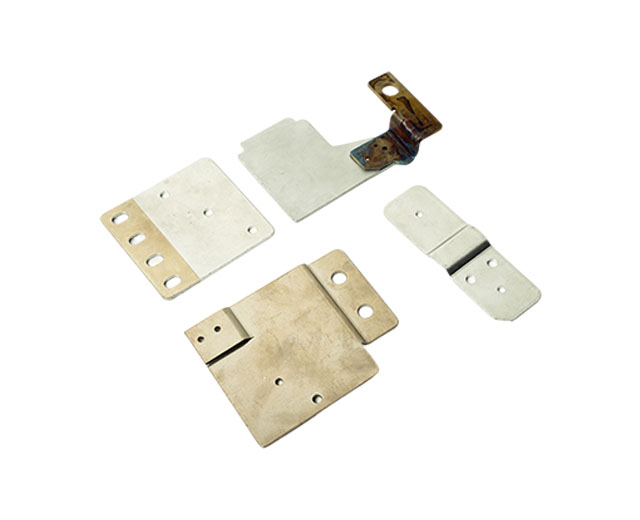

Flexible Copper Busbar
Home > Products > Flexible Copper Busbar > Busbar Panel
Busbar Panel
  • Busbar Panel

Busbar Panel

As modern electrical systems continue to demand higher efficiency, reliability, and compact installation, the busbar panel has become an essential component in industrial power distribution and control applications. Whether used in switchgear, power cabinets, renewable energy systems, or automation equipment, an electrical busbar panel provides safe and efficient current transmission for high-power electrical systems.
  • Product Details

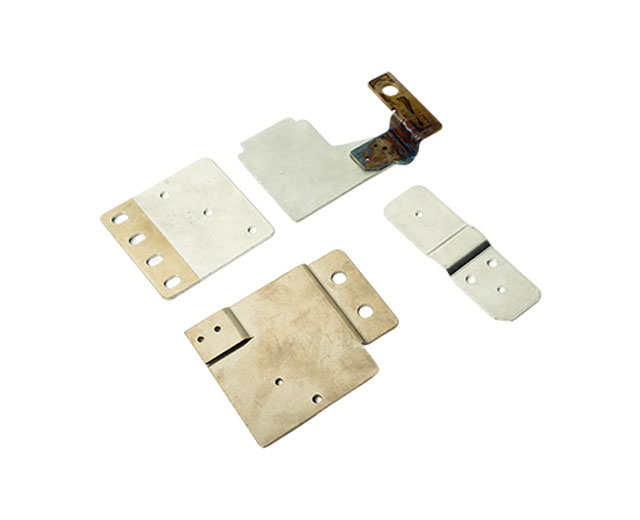
As modern electrical systems continue to demand higher efficiency, reliability, and compact installation, the busbar panel has become an essential component in industrial power distribution and control applications. Whether used in switchgear, power cabinets, renewable energy systems, or automation equipment, an electrical busbar panel provides safe and efficient current transmission for high-power electrical systems.

Busbar Panel

What Is a Busbar Panel?

A busbar panel is an electrical distribution assembly that uses conductive metal bars—commonly made from copper or aluminum—to distribute electrical power within a system. It is designed to collect, transmit, and distribute large currents efficiently between incoming and outgoing circuits.

In simple terms, a bus bar in panel acts as the central conductor that connects multiple electrical circuits inside a power distribution system.

A typical electrical panel busbar system is widely used in:

  • Power distribution cabinets

  • Switchgear systems

  • UPS systems

  • Transformers

  • Battery energy storage systems

  • Renewable energy equipment

  • Industrial automation systems

  • EV charging infrastructure


What Is a Busbar in an Electrical Panel?

A bus bar in electrical panel is a metallic conductor installed inside an electrical panel to distribute electricity from the main power source to multiple branch circuits.

Compared with traditional wiring and cable connections, a busbar in electrical panel offers:

  • Lower electrical resistance

  • Better conductivity

  • Higher current carrying capacity

  • Improved heat dissipation

  • Cleaner and more organized installation

  • Easier maintenance and expansion

Because of these advantages, the electrical panel bus bar is considered a more reliable and efficient solution for modern electrical systems.


How Does a Bus Bar Panel Work?

A bus bar panel works by receiving electrical power from the main input source and distributing it through conductive busbars to various output circuits.

The system minimizes voltage drop and power loss while ensuring stable current transmission. In many industrial applications, the electric busbar serves as the backbone of the electrical distribution network.

The design of a busbar in control panel also helps simplify system wiring, reduce installation time, and improve operational safety.


Main Types of Busbar Panels

1. Copper Bus Bar Panel

A Copper Bus Bar is the most commonly used option due to its excellent conductivity and durability.

Features:

  • High electrical conductivity

  • Excellent thermal performance

  • Strong corrosion resistance

  • Suitable for high-current applications

Applications:

  • Industrial machinery

  • Data centers

  • High-power electrical systems

  • Renewable energy equipment

2. Aluminum Bus Bar Panel

Aluminum busbars are lightweight and cost-effective alternatives for large-scale electrical systems.

Features:

  • Lower weight

  • Reduced material cost

  • Good conductivity

  • Easy installation

Applications:

  • Large electrical distribution systems

  • Commercial buildings

  • Power transmission equipment

3. Flexible Busbar Systems

A Flexible Busbar is designed for applications requiring bending, vibration resistance, or complex installation layouts.

Features:

  • Excellent flexibility

  • Reduced installation stress

  • Improved vibration resistance

  • Space-saving design

Flexible Copper Bus Bar Advantages

A Flexible Copper Bus Bar combines high conductivity with mechanical flexibility, making it ideal for dynamic electrical connections.

Applications:

  • Battery packs

  • EV systems

  • Power electronics

  • Renewable energy systems

4. Solid Busbar Systems

A Solid Busbar provides maximum mechanical strength and current carrying capacity.

Features:

  • Strong structural stability

  • High current capability

  • Long service life

  • Excellent thermal management

Applications:

  • Heavy industrial equipment

  • Power substations

  • High-voltage electrical panels


Busbar Connector Solutions

A reliable Busbar Connector is essential for maintaining secure electrical connections between busbars and electrical components.

Benefits of Busbar Connectors

  • Stable electrical contact

  • Easy assembly

  • Reduced energy loss

  • Enhanced safety

  • Convenient maintenance

Modern busbar panel systems often integrate advanced connector technologies to improve installation efficiency and long-term reliability.


Advantages of Electrical Busbar Panels

Using an electrical busbar panel provides many advantages over conventional cable-based systems.

High Conductivity

Copper and aluminum busbars provide excellent electrical performance with minimal resistance.

Space Saving

A compact electrical panel busbar design reduces cable clutter and optimizes cabinet space.

Better Heat Dissipation

The flat conductive structure improves thermal performance and reduces overheating risks.

Improved Reliability

A properly designed bus bar in panel minimizes loose connections and voltage fluctuations.

Easy Installation and Maintenance

Modular busbar in control panel systems simplify installation and future expansion.

Energy Efficiency

Lower resistance means reduced power loss and improved overall system efficiency.


Applications of Busbar Panels

Modern busbar panel systems are widely used across multiple industries.

Industrial Automation

For control cabinets and machinery power distribution.

Renewable Energy

Used in solar inverters, wind power systems, and battery storage systems.

Electric Vehicles

Integrated into EV battery packs and charging systems using Flexible Copper Bus Bar technology.

Power Distribution

Installed in switchgear, substations, and electrical cabinets.

Data Centers

Provides stable and efficient power management for critical infrastructure.


A busbar panel is an efficient and reliable solution for modern electrical power distribution systems. Whether using a Copper Bus Bar, Flexible Busbar, or Solid Busbar, these systems offer superior conductivity, improved safety, compact installation, and long-term performance.

As industries continue moving toward electrification, automation, and renewable energy, the demand for advanced electrical panel busbar solutions will continue to grow. Choosing the right bus bar panel and Busbar Connector technology can significantly improve the efficiency and reliability of your electrical infrastructure.


FAQ

1. What is a busbar panel used for?

A busbar panel is used for efficient electrical power distribution in industrial and commercial systems. It helps transfer high currents safely between power sources and multiple circuits while reducing wiring complexity and energy loss.


2. What is a busbar in an electrical panel?

A busbar in an electrical panel is a conductive metal strip or bar, usually made of copper or aluminum, that distributes electricity from the main power source to branch circuits inside the panel.


3. What materials are commonly used for busbars?

The most common materials used in busbar panels are:

  • Copper Bus Bar — high conductivity and excellent thermal performance

  • Aluminum Bus Bar — lightweight and cost-effective

Both materials are widely used depending on the electrical application and budget requirements.


4. What are the advantages of using a bus bar panel instead of cables?

Compared with traditional cables, a bus bar panel offers:

  • Higher current carrying capacity

  • Better heat dissipation

  • Lower electrical resistance

  • Improved installation efficiency

  • Cleaner panel layout

  • Easier maintenance and expansion


5. What is the difference between Flexible Busbar and Solid Busbar?

A Flexible Busbar can bend and adapt to complex installation spaces, making it suitable for battery systems, EV applications, and vibration environments.

A Solid Busbar provides stronger structural stability and is commonly used in heavy-duty industrial power systems with high current requirements.


6. Why is Copper Bus Bar widely used?

Copper Bus Bar is popular because of its excellent electrical conductivity, corrosion resistance, and long service life. It is ideal for high-power electrical and industrial applications.


7. What is a Flexible Copper Bus Bar?

A Flexible Copper Bus Bar is made from layered copper foils or braided copper materials that provide both high conductivity and flexibility. It is commonly used in electric vehicles, energy storage systems, and renewable energy equipment.


8. What is the function of a Busbar Connector?

A Busbar Connector is used to securely connect busbars with electrical components or other busbars. It helps maintain stable current transmission and improves system safety and reliability.



Previous: Copper Busbars 2026-05-29
Next: Flexible Copper Bus Bar 2026-05-22
Get A Quote
  • Please enter your name.
  • Please enter your E-mail.
  • Please enter your Phone or WhatsApp.
  • Please fill in your requirements in detail so that we can provide a professional quotation.