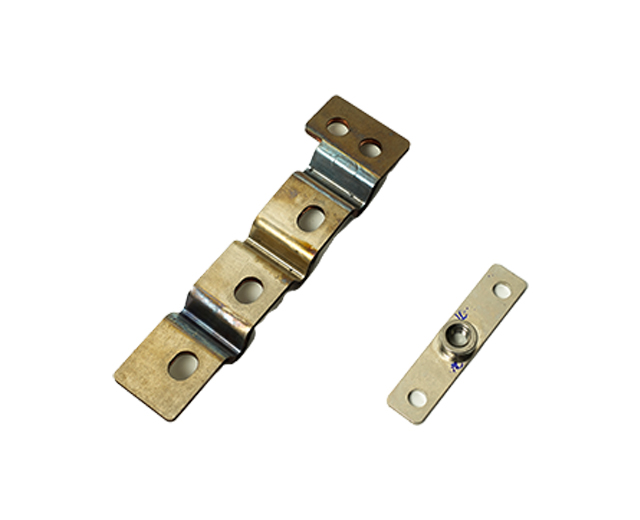
A Low Voltage Bus Bar is a key electrical component used for power transmission and distribution in low-voltage systems, typically rated up to 1000V AC or 1500V DC. It is designed to replace complex cable wiring with a more compact, efficient, and reliable conductive structure.
The low voltage Busbar is widely used in industrial power distribution, commercial buildings, data centers, and renewable energy systems, providing stable electrical connections between power sources and multiple loads.
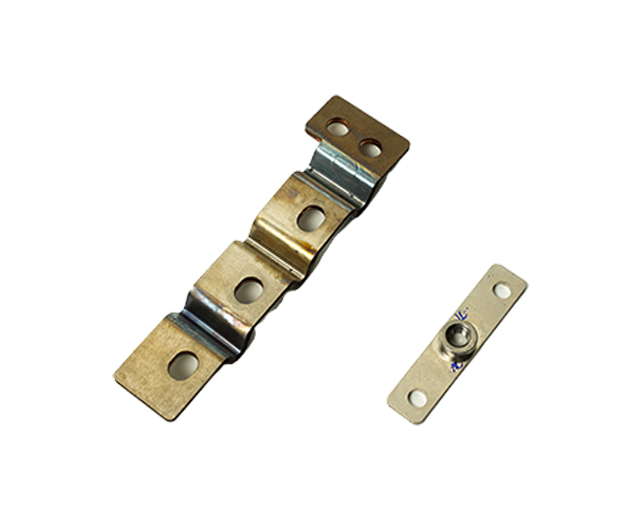
What Is a Low Voltage Bus Bar?
A low voltage bus bar (also referred to as a low power busbar) is a metallic conductor—usually made of copper or aluminum—that distributes electrical power from a single source to multiple outgoing circuits.
Compared with traditional wiring, a busbar system simplifies electrical architecture while improving efficiency, safety, and space utilization.
Structure of Low Voltage Busbar
A typical low voltage busbar system consists of:
Conductive Material
Insulation System
Connection Components
Bolted joints
Plug-in connectors
Clamped terminals
How Low Voltage Bus Bar Works
The working principle of a low voltage bus bar is straightforward.
Electrical power is supplied from a source such as a transformer or power distribution unit and is then conducted through the busbar system to multiple downstream loads.
Typical flow:
Transformer → Low Voltage Bus Bar → Distribution Panels → Electrical Loads
This centralized distribution method ensures stable and efficient power delivery.
Low Voltage Ground Bar Function
A low voltage ground bar is an essential part of electrical safety systems. It provides a dedicated grounding path to safely discharge fault current and protect equipment and personnel.
Functions include:
Electrical grounding connection
Fault current protection
Equipment safety enhancement
System stability improvement
The low voltage ground bar is commonly installed inside distribution panels and switchgear systems.
Applications of Low Voltage Bus Bar Systems
Industrial Power Distribution
Commercial Buildings
Data Centers
Renewable Energy Systems
Advantages of Low Voltage Busbar
High Electrical Efficiency
Reduces resistance and energy loss during transmission.
Compact Design
Optimizes space inside electrical cabinets and distribution panels.
Easy Installation
Modular design simplifies assembly and maintenance.
High Reliability
Provides stable and secure electrical connections.
Cost-Effective Solution
Reduces wiring complexity and installation costs.
Low Voltage Bus Bar vs Traditional Wiring
| Item | Low Voltage Bus Bar | Traditional Cable Wiring |
|---|
| Structure | Integrated conductor system | Individual cables |
| Installation | Compact & modular | Complex wiring |
| Maintenance | Easy | Difficult |
| Efficiency | High | Medium |
| Space Usage | Low | High |
Types of Busbar Systems
A low voltage bus bar is an essential component in modern electrical distribution systems, offering efficient, safe, and compact power transmission. With advantages such as high conductivity, simplified installation, and reliable performance, the low voltage busbar has become a preferred solution across industrial, commercial, and renewable energy applications.
The integration of components such as the low voltage ground bar and optimized low power busbar designs further enhances system safety and flexibility, making busbar systems a key foundation of modern electrical infrastructure.



 English