


 English

Flexible Copper Busbar
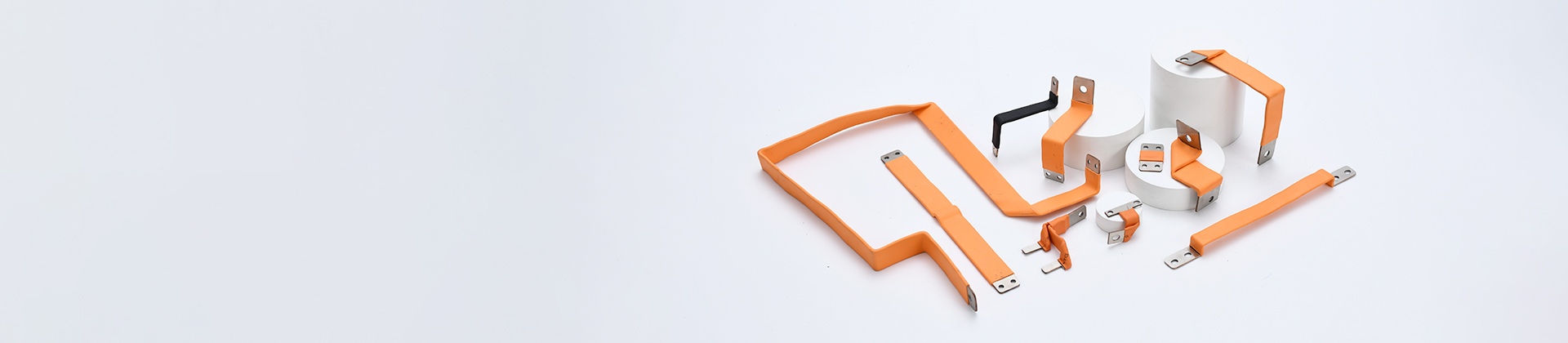
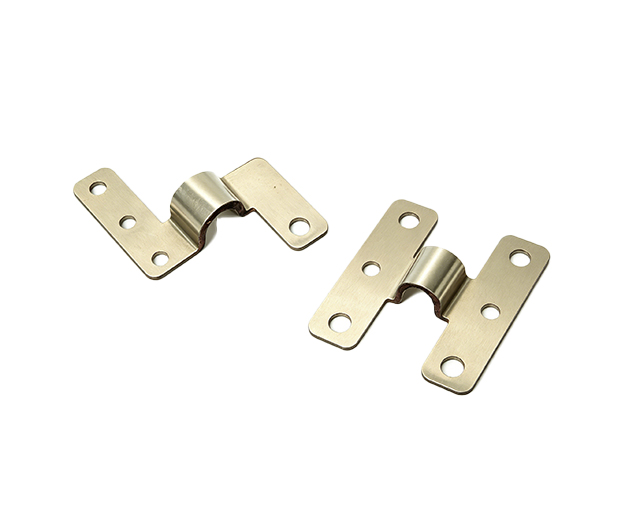
A laminated bus bar is a multilayer electrical conductor made by stacking thin copper foils with insulation layers and bonding them into a compact structure. It is designed to distribute high current efficiently in power electronic systems.
In simple terms, a Laminated Busbar (also called laminated busbars) is a flexible high-current copper connection system used to replace traditional cable wiring and bulky solid copper bars.
It is widely used in EV power systems, energy storage, inverters, and industrial power distribution.
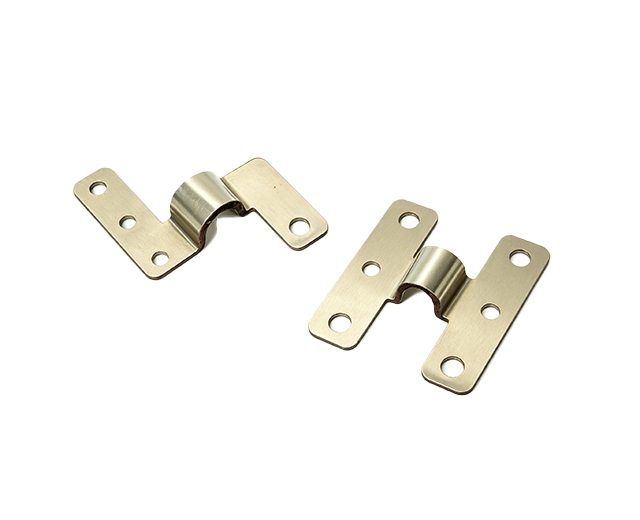
A typical laminated copper busbar consists of:
Multiple layers of thin copper foils (Copper Laminated Bus Bar)
Insulation sheets between layers
Welded or pressed contact areas
Optional surface treatment such as tin or nickel plating
Custom terminals for system integration
A well-engineered laminated bus bar design focuses on:
Low inductance layout
Compact stacking structure
Controlled current loop paths
Thermal balance optimization
EMI reduction design
This structure makes the laminated bus highly suitable for high-frequency and high-power applications.
A laminated flexible busbar works by distributing current through multiple parallel copper layers instead of a single thick conductor.
This layered structure provides:
Lower electrical resistance
Reduced inductance
Better heat dissipation
Improved high-frequency performance
More stable current distribution
Because current flows across multiple thin copper layers, losses caused by skin effect and proximity effect are significantly reduced.
One of the most common questions is:
| Feature | Laminated Bus Bar | Solid Bus Bar |
|---|---|---|
| Structure | Multi-layer copper foils | Single solid copper block |
| Flexibility | High (flexible busbar) | Low |
| Inductance | Low | Higher |
| Vibration resistance | Excellent | Moderate |
| Installation | Easy and compact | Bulkier |
| High-frequency performance | Excellent | Limited |
| Weight | Lighter | Heavier |
A flexible laminated busbar is especially suitable for compact, high-performance electronic systems, while solid busbars are more common in traditional power distribution.
A laminated copper busbar provides low resistance and stable current flow even under high load conditions.
The laminated busbar design significantly reduces inductance, improving efficiency in high-speed switching systems.
Multi-layer copper structure increases heat dissipation area, reducing temperature rise.
Compared with traditional busbars, laminated busbars offer better resistance to vibration and thermal stress.
Compact structure allows integration into tight electrical layouts.
Another alternative solution is the braided busbar.
| Type | Laminated Bus Bar | Braided Busbar |
|---|---|---|
| Structure | Layered copper foils | Copper wire braid |
| Inductance | Low | Medium |
| Flexibility | Medium to High | Very High |
| Current capacity | High | Medium |
| EMI performance | Excellent | Moderate |
A braided busbar is more flexible, but a laminated busbar offers better electrical performance and is preferred in high-power applications.
Battery packs
Inverters
DC link systems
Charging modules
Energy storage cabinets
Battery modules interconnection
High current distribution
Solar inverters
Wind power converters
Power conditioning systems
UPS systems
Switchgear assemblies
Data centers
Motor control units
A laminated flexible busbar is now a core component in modern high-efficiency electrical systems.
Highest conductivity
Best performance
Widely used in all industries
Improved corrosion resistance
Lower contact resistance
High temperature resistance
Excellent oxidation protection
These materials ensure long-term stability in demanding environments.
Choosing reliable laminated busbar manufacturers is critical for performance and safety.
Professional suppliers provide:
Custom laminated busbar design
CNC machining and stamping
Insulation material selection
High-current testing
OEM/ODM solutions
Some global brands like Mersen busbars / Mersen laminated busbar are well known in the industry for high-end power distribution solutions.
However, many OEM laminated copper busbar manufacturers now offer cost-effective customized solutions with similar performance for EV and energy storage markets.
A laminated bus bar is a flexible, multi-layer copper power connector designed to carry high current efficiently while reducing electrical losses, heat, and electromagnetic interference.
It combines:
High conductivity (Copper Laminated Bus Bar)
Flexibility (Flexible Laminated Busbar)
Compact design (Laminated Bus)
High reliability
Excellent thermal and electrical performance
The laminated busbar has become a key component in modern electrical engineering due to its superior electrical performance, compact design, and flexibility.
Compared with traditional solid busbars, a laminated busbar or laminated flexible busbar provides lower inductance, better heat dissipation, and higher system efficiency.
Whether used in EV systems, energy storage, or industrial power distribution, choosing the right laminated copper busbar manufacturer ensures long-term reliability and performance in high-current applications.
A laminated busbar is a multi-layer electrical conductor made of thin copper foils stacked together with insulation layers. It is designed for high current, low inductance, and compact power distribution, widely used in EVs, energy storage systems, and industrial electronics.
A laminated busbar uses multiple thin copper layers with insulation, while a solid busbar is a single thick copper piece.
Key differences:
Laminated busbar → low inductance, flexible, better high-frequency performance
Solid busbar → rigid, simple structure, higher mechanical strength
In modern power electronics, laminated busbars are preferred for efficiency and EMI control.
Compared with cables, a laminated flexible busbar offers:
Lower inductance
Better heat dissipation
Reduced electromagnetic interference (EMI)
More compact layout
Higher reliability in high current systems
Common materials include:
Copper laminated busbar (high conductivity copper foils)
Tin plated laminated busbar (anti-corrosion)
Nickel plated laminated busbar (high temperature resistance)
Insulation materials may include PET, PI, or epoxy films.
A flexible laminated busbar is a specially designed laminated structure that allows slight bending and movement. It is commonly used in EV battery packs and inverter systems where vibration and thermal expansion occur.
A proper laminated busbar design helps to:
Minimize loop inductance
Reduce switching losses
Improve EMI performance
Optimize current distribution
Increase system efficiency

Copyright © 2026 G AND N FORTUNE LIMITED All rights reserved.