


 English

Flexible Copper Busbar
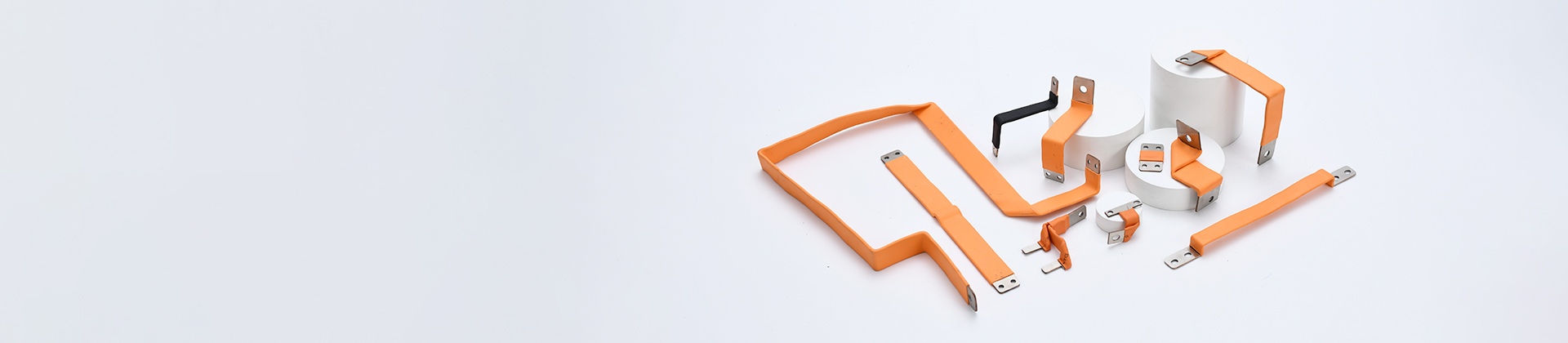
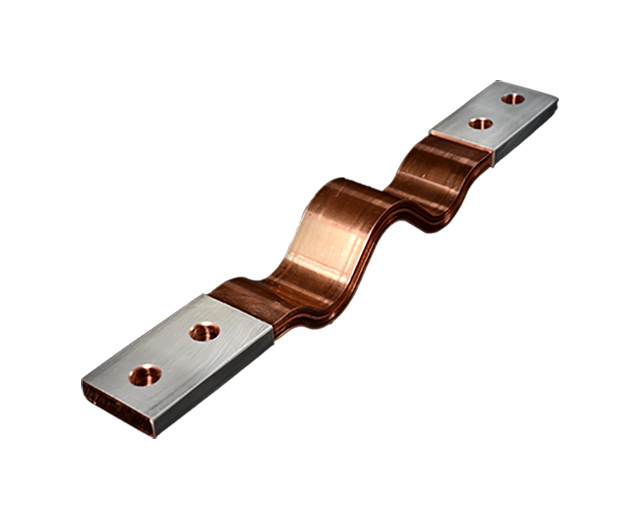
A flexible bus bar is a flexible electrical conductor designed to transmit high current while providing excellent bending capability, vibration resistance, and installation flexibility. Unlike traditional rigid Copper Busbars, a Flexible Copper Busbar is manufactured using multiple layers of copper foil or copper strips, allowing it to adapt to complex installation spaces and dynamic operating conditions.
As one of the professional flexible copper busbar manufacturers, we provide customized copper busbar solutions for electric vehicles, battery systems, energy storage systems, power electronics, and industrial electrical equipment. Our busbar flexible solutions are engineered to deliver high conductivity, reliable performance, and long service life.
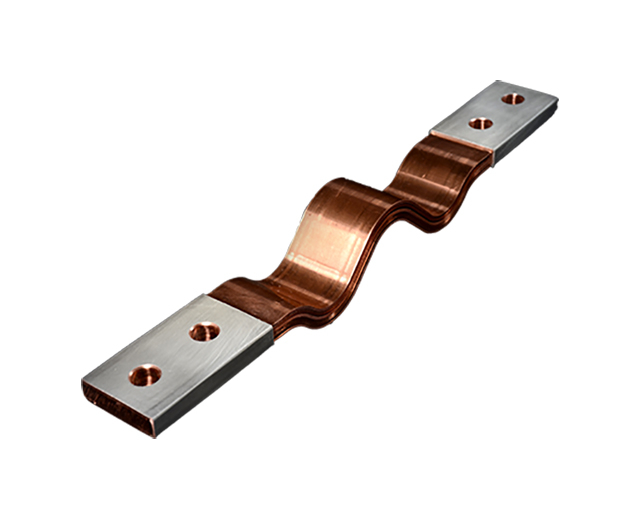
A flexible bus bar is a type of copper electrical connector made from multiple layers of thin copper foil that are bonded together through advanced welding or pressing processes. The flexible structure allows the busbar to bend and absorb mechanical stress while maintaining stable current transmission.
Compared with traditional rigid Copper Busbars, a flexible copper busbar offers:
High flexibility
Excellent electrical conductivity
Strong vibration resistance
Easy installation in limited spaces
Reduced mechanical stress on electrical components
A flex bus bar is widely used in applications where electrical connections require both high current capacity and flexible installation.
A flexible bus bar works by using stacked copper foil layers as a high-conductivity pathway for electrical current. The copper layers provide a large conductive cross-sectional area, reducing electrical resistance and minimizing heat generation.
During installation and operation, the flexible structure allows the busbar to:
Bend according to equipment layout
Compensate for assembly tolerances
Absorb vibration and thermal expansion
Maintain stable electrical connections
Compared with a braided busbar, which uses woven copper strands, a flexible copper busbar usually provides higher current carrying capacity and better mechanical stability for battery and power applications.
A typical flexible copper busbar consists of:
The main conductor is made from high-purity copper foil, offering:
Excellent electrical conductivity
Low resistance
Efficient heat dissipation
The two ends of the Flexible Busbar copper are processed through:
Diffusion welding
Ultrasonic welding
Brazing
to create strong connection terminals.
An insulated flexible busbar can be covered with:
PVC insulation
Heat shrink tubing
Epoxy coating
Polyolefin insulation
to improve electrical safety and protection.
Made from high-quality copper materials, the flexible copper busbar provides efficient power transmission with low electrical resistance.
It is suitable for:
High current applications
Battery connections
Power distribution systems
Electrical equipment
The flexible design of the flexible copper bus bar allows it to be installed in complex spaces where rigid copper bars cannot be used.
Benefits include:
3D bending capability
Reduced installation space
Easier assembly
Improved system design flexibility
The flexible structure helps absorb:
Mechanical vibration
Thermal expansion
Installation stress
This improves connection reliability and extends the service life of electrical systems.
| Item | Specification |
|---|---|
| Product Name | Flexible Bus Bar |
| Material | High purity copper |
| Conductor Type | Multi-layer copper foil |
| Copper Purity | ≥99.9% |
| Surface Treatment | Bare copper, tin plating, nickel plating, silver plating |
| Width Range | 10mm - 200mm (Customized) |
| Thickness Range | 0.5mm - 10mm (Customized) |
| Length | Customized according to requirements |
| Connection Method | Welding, bolting, crimping |
| Terminal Design | Customized holes and connectors available |
| Insulation Options | PVC, heat shrink tube, epoxy coating |
| Current Capacity | Customized according to size and application |
| Operating Temperature | -40℃ to +150℃ |
| Application | EV battery, energy storage, power equipment |
| Customization | OEM / ODM available |
A flexible copper busbar is widely used in electrical systems that require reliable high-current transmission and flexible installation.
In electric vehicles, the flexible busbar for EV battery is used for:
Battery module connections
Battery pack connections
Power distribution units
Inverter connections
Its flexibility helps improve vibration resistance and simplify battery system assembly.
Flexible busbars are widely applied in energy storage systems for:
Battery rack connections
Battery module connections
High-current power transmission
Applications include:
Inverters
UPS systems
Switchgear
Electrical cabinets
Industrial automation equipment
Both flexible bus bar and braided busbar are flexible electrical connection solutions, but their structures and applications are different.
| Item | Flexible Bus Bar | Braided Busbar |
| Structure | Multi-layer copper foil | Woven copper strands |
| Flexibility | High | Very high |
| Current Capacity | Higher | Medium to high |
| Main Advantage | High current transmission | Excellent vibration resistance |
| Application | EV battery, power systems | Dynamic electrical connections |
A flexible braided copper busbar combines the flexibility of braided structures with copper conductivity, making it suitable for special connection requirements.
We also provide other flexible electrical connection solutions, including:
Flexible copper braid is made from woven copper wires and is mainly used for grounding, vibration compensation, and flexible electrical connections.
A copper braided busbar uses multiple copper strands woven together to provide excellent flexibility and mechanical durability.
A laminated copper busbar consists of multiple copper conductors with insulation layers, commonly used in power electronics and battery systems.
A laminated flexible busbar combines laminated busbar technology with flexible design for applications requiring compact installation and reliable power transmission.
As experienced flexible copper busbar manufacturers, we provide customized solutions for customers worldwide.
Our advantages include:
High-purity copper materials
Advanced manufacturing technology
Customized dimensions and designs
Reliable electrical performance
Support for OEM and ODM projects
Whether you need a standard flexible copper busbar, insulated flexible busbar, or customized flexible copper bus bar, we can provide high-quality solutions for your electrical connection needs.
A flexible bus bar is a flexible copper conductor made from multiple copper foil layers, designed for high-current electrical connections where bending and vibration resistance are required.
A flexible bus bar transfers electrical current through stacked copper layers while its flexible structure allows bending, absorbs vibration, and reduces connection stress.
Flexible copper busbars are mainly used in EV batteries, energy storage systems, power electronics, switchgear, and industrial electrical equipment.
A flexible busbar uses layered copper foil and is designed for higher current capacity, while a braided busbar uses woven copper strands and provides greater flexibility.

Copyright © 2026 G AND N FORTUNE LIMITED All rights reserved.