


 English

Flexible Copper Busbar
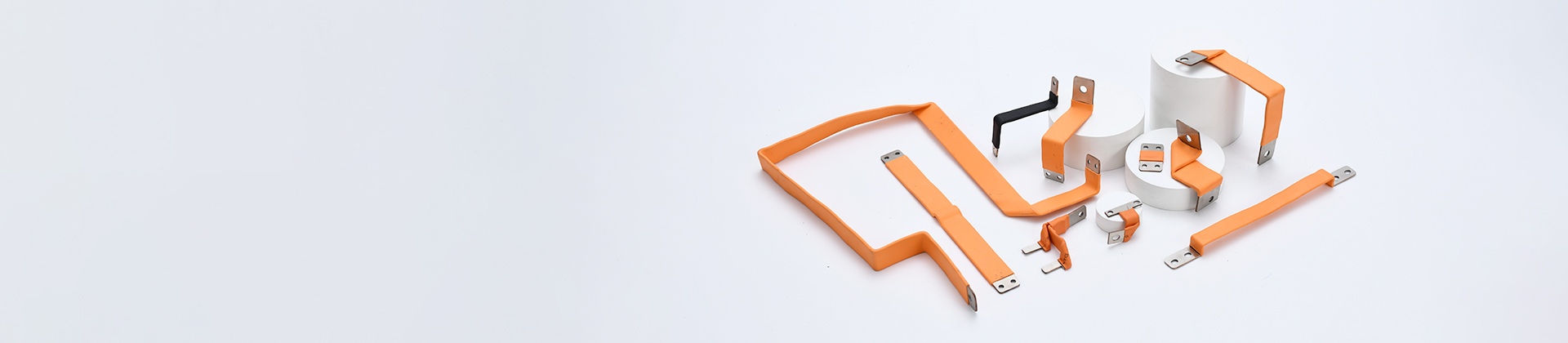
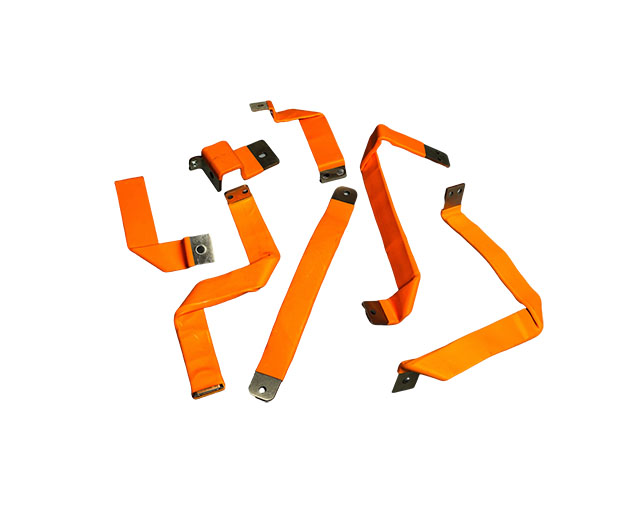
Busbars are essential components in modern electrical power systems, designed to efficiently conduct and distribute electricity within a wide range of applications. Commonly made from copper or aluminum, busbars play a critical role in electrical panels, switchgear, and power distribution systems by replacing traditional cable wiring with a more compact and efficient solution.
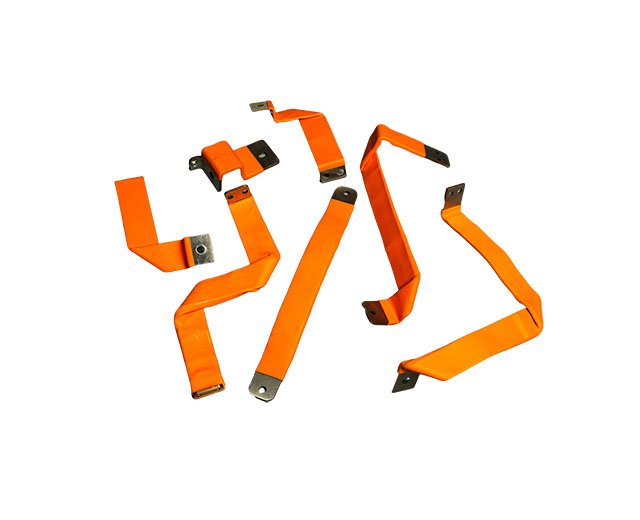
In electrical systems, busbars are metallic conductors used to collect and distribute electrical current from a main power source to multiple outgoing circuits. They are widely installed in distribution boards, control panels, and energy systems to ensure stable and efficient power transmission.
Instead of using multiple cables, a busbar provides a centralized and organized electrical connection point.
Busbars are typically made of highly conductive metals, mainly:
Copper (Copper Busbars)
Aluminum (Aluminum Busbars)
Copper busbars are widely used due to their excellent electrical conductivity, high current-carrying capacity, and superior thermal performance. They are ideal for high-power and industrial applications.
Aluminum busbars are lighter and more cost-effective, making them suitable for large-scale power distribution systems where weight and cost are important factors.
Busbars work by acting as a central electrical distribution path. They receive power from a main source and distribute it to multiple circuits or devices.
The working principle is simple:
Electricity enters the busbar from the main supply
The busbar conducts current along its structure
Power is distributed to different outgoing connections
Because of their low resistance and high conductivity, busbars minimize energy loss and improve system efficiency.
Busbars are widely used in both industrial and commercial electrical systems, including:
Power distribution panels
Electrical switchgear
UPS systems
Battery energy storage systems
Electric vehicles (EV)
Renewable energy systems (solar and wind)
Industrial automation equipment
They help improve wiring efficiency, reduce installation complexity, and enhance electrical safety.
Copper busbars are mainly used in high-current and high-reliability applications where stable performance is critical. Common uses include:
Industrial power distribution systems
EV battery connection systems
Data centers
Renewable energy inverters
Heavy-duty electrical equipment
Because copper has excellent conductivity, it ensures low energy loss and stable power transmission.
Different applications require different busbar structures. The most common types include:
High conductivity and excellent performance for demanding electrical systems.
Lightweight and cost-effective solution for large-scale installations.
A rigid and durable structure designed for stable, high-current applications.
Designed for vibration resistance and space-limited installations. Easy to bend and install.
Made from multiple layers to reduce electrical losses and improve thermal performance.
Covered with insulation material to enhance safety and prevent accidental contact or short circuits.
Made from woven copper strands, offering high flexibility and excellent vibration resistance.
Busbars provide several key benefits in electrical systems:
Lower electrical resistance
Improved energy efficiency
Better heat dissipation
Reduced wiring complexity
Higher system reliability
Compact and organized installation
Busbars are a fundamental part of modern electrical infrastructure. Whether using Copper Busbars or Aluminum Busbars, these conductive systems provide efficient and reliable power distribution across a wide range of industries. With various designs such as Solid Busbar, Flexible Busbar, Laminated Busbar, Insulated Busbar, and Braided Busbar, they can meet the requirements of almost any electrical application.
Busbars are metal conductors, usually made of copper or aluminum, used in electrical systems to distribute and transmit electrical power efficiently between different circuits.
In electrical systems, busbars act as central distribution points that collect electricity from a main source and deliver it to multiple outgoing circuits in panels, switchgear, and power systems.
Busbars are mainly made of:
Copper (Copper Busbars)
Aluminum (Aluminum Busbars)
Copper is preferred for high-current applications, while aluminum is used for lighter and more cost-sensitive systems.
Busbars work by carrying electrical current from a main power supply and distributing it to multiple circuits through a low-resistance conductive path, reducing energy loss and improving system efficiency.
Busbars are widely used in:
Electrical distribution panels
Switchgear systems
UPS systems
Battery energy storage systems
Electric vehicles (EV)
Renewable energy systems
Industrial automation equipment
Copper busbars are used in high-current and high-reliability applications such as industrial power systems, EV battery packs, data centers, and renewable energy equipment due to their excellent conductivity.
Copper busbars offer higher conductivity, better thermal performance, and higher current capacity, while aluminum busbars are lighter and more cost-effective for large-scale installations.
A solid busbar is a rigid metal conductor designed for stable high-current applications, commonly used in electrical panels and industrial power distribution systems.

Copyright © 2026 G AND N FORTUNE LIMITED All rights reserved.