


 English

Flexible Copper Busbar
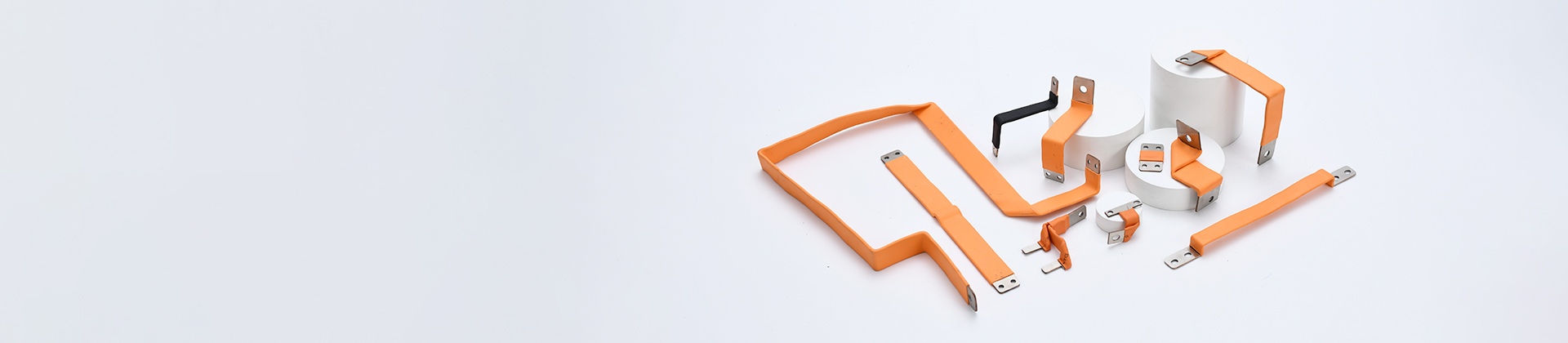
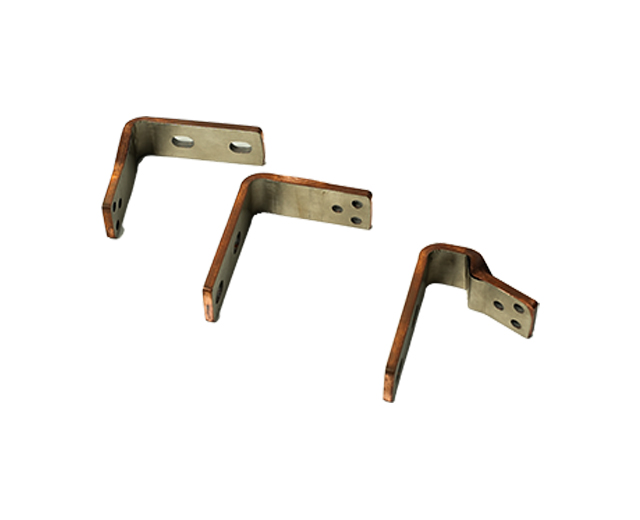
A tinned copper bar (tinned Copper Bus Bar) is a copper conductor that has been coated with a thin layer of tin through electroplating or hot-dip tinning. This protective layer improves corrosion resistance, electrical stability, and long-term reliability of Copper Busbar systems.
In simple terms, tin plated Copper Bus Bars are copper busbars with a protective tin surface to prevent oxidation and ensure stable electrical performance in demanding environments.
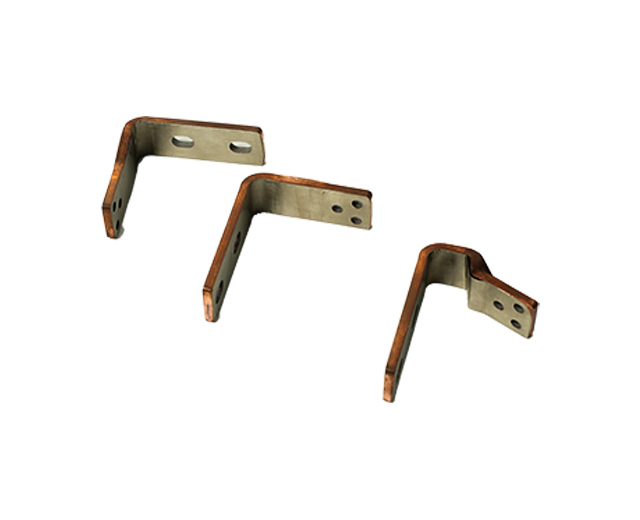
Tin plating copper bus bars refer to copper busbars that are surface-treated with a tin coating to enhance durability and conductivity stability. These products are widely used in electrical distribution systems, EV battery connections, and industrial power equipment.
Common product types include:
tin plated copper bar
tinned copper bus bar
tin coated copper busbar
plated copper bus bar
tin plated bus bar
tin plated busbar
All these refer to copper busbars with tin surface treatment for improved performance.
Copper is an excellent conductor, but it easily oxidizes when exposed to air and moisture. This oxidation increases contact resistance and reduces performance over time.
A tin coated copper busbar solves this problem by adding a stable protective layer.
Key reasons include:
Prevents copper oxidation
Reduces contact resistance
Improves electrical connection stability
Extends service life
Enhances corrosion resistance
The production of tinned copper bus bar involves several precision steps:
High-purity copper selection (T2 / C11000)
Cutting and forming into busbar shape
CNC machining (drilling, bending, punching)
Surface cleaning and pre-treatment
Tin plating (electroplating or hot-dip process)
Quality inspection (coating thickness, adhesion, conductivity)
This ensures consistent performance for high-current applications.
Standard rigid copper bar with tin coating, widely used in switchgear and power distribution systems.
A tinned copper flat bar is a flat-shaped conductor with tin plating, commonly used in grounding and panel systems.
A tin plated copper ground bar is specifically designed for grounding systems, ensuring stable earth connections and corrosion resistance.
Used in industrial and energy systems requiring long-term reliability under harsh environmental conditions.
Tin protects copper from oxidation, especially in humid or outdoor environments.
Lower and more stable contact resistance improves system efficiency.
Ideal for long-term industrial and energy applications.
Ensures consistent performance in high-current systems.
Better solderability and connection stability in electrical installations.
Tin plated bus bar solutions are widely used in:
Electric vehicles (EV battery systems)
Battery energy storage systems (BESS)
Solar inverter systems
Wind power systems
Industrial switchgear
Power distribution cabinets
Data centers and UPS systems
Grounding and earthing systems
| Feature | Tin Plated Copper Bus Bar | Bare Copper Bus Bar |
|---|---|---|
| Corrosion resistance | High | Low |
| Contact stability | Excellent | Moderate (oxidizes over time) |
| Lifespan | Long | Shorter in harsh environments |
| Maintenance | Low | Higher |
| Cost | Slightly higher | Lower |
A tin plated copper bus bar is:
A copper busbar coated with a thin layer of tin to improve corrosion resistance and maintain stable electrical performance over time.
It is a standard and essential solution in modern power distribution systems, especially in high-reliability industrial and new energy applications.
Tin plating copper bus bars (tin plated busbar) are essential components in modern electrical systems. By combining high-conductivity copper with a protective tin coating, they provide superior durability, stable conductivity, and long service life.
Whether used as a tinned copper bus bar, tin plated copper bar, or tin plated copper ground bar, these products are widely adopted in EV, energy storage, and industrial power systems where reliability is critical.
A tinned copper bar (tinned copper bus bar) is a copper busbar coated with a thin layer of tin. The tin layer protects the copper from oxidation and improves long-term electrical stability, especially in humid or corrosive environments.
Tin plating copper bus bars refer to copper busbars that have undergone a tin coating process (electroplating or hot-dip). This treatment enhances corrosion resistance, reduces contact resistance, and improves durability in electrical systems.
Tin plating is used because it:
Prevents copper oxidation
Improves electrical contact performance
Reduces resistance at connection points
Extends service life
Improves reliability in harsh environments
A tin plated bus bar has a protective tin layer, while a bare copper busbar does not.
Tin plated busbar → higher corrosion resistance, longer lifespan
Bare copper busbar → lower cost, but oxidizes easily over time
A tin plated copper bar is commonly used in:
EV battery systems
Energy storage systems (BESS)
Power distribution cabinets
Industrial switchgear
Solar and wind energy systems
Grounding systems
A tin plated copper ground bar is a grounding busbar coated with tin. It ensures stable earth connection, reduces corrosion, and maintains low resistance over long-term use.

Copyright © 2026 G AND N FORTUNE LIMITED All rights reserved.