


 English

Blog

2025-12-18 14:56:52
A bus bar is a critical component in electrical systems, used to collect, distribute, and transmit electrical power efficiently and safely. Compared with traditional cable wiring, bus bars offer higher current capacity, lower resistance, improved heat dissipation, and greater system reliability. Understanding the use of bus bars helps engineers and system designers choose the right solution for industrial, automotive, and energy storage applications.
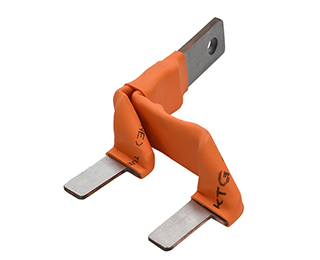
The main use of a bus bar is power distribution. A bus bar serves as a centralized conductor that connects a power source to multiple electrical circuits. By providing a low-resistance current path, bus bars minimize voltage drop and energy loss in high-current systems.
Bus bars are widely used in:
Power distribution panels
Switchgear and control cabinets
Industrial machinery
A Flexible Busbar is designed to accommodate vibration, thermal expansion, and movement within electrical systems. It is commonly made of layered copper or aluminum foils.
Key uses of Flexible Busbar:
Absorbing mechanical stress
Reducing connection fatigue
Improving reliability in dynamic environments
Flexible Copper Busbar is widely used in EVs and battery systems due to its high conductivity and flexibility.
Flexible Aluminum Busbar is preferred when weight reduction and cost efficiency are required.
A Solid Busbar is a rigid conductor designed for stable, fixed installations. It offers excellent current-carrying capability and structural strength.
Key uses of Solid Busbar:
High-current power distribution
Fixed electrical panels and switchgear
Industrial power systems
Solid Copper Busbar provides maximum conductivity and thermal performance.
Solid Aluminum Busbar offers a lightweight and economical alternative.
A Copper Busbar is used where high conductivity, compact design, and long service life are required. Copper bus bars handle high current with minimal energy loss and are ideal for demanding applications.
An Aluminum Busbar is used in large-scale power distribution systems where weight and cost are critical factors. Although aluminum has lower conductivity than copper, its lightweight nature makes it suitable for many industrial applications.
A Battery Busbar is used to connect battery cells or modules and ensure uniform current distribution. Battery bus bars reduce internal resistance and improve energy efficiency in:
Electric vehicles
Battery energy storage systems
UPS and backup power systems
A Custom Battery Busbar is designed according to specific voltage, current, and space requirements, ensuring optimal performance and safety.
A Custom Busbar is engineered to match precise electrical and mechanical requirements. Custom bus bars are used to:
Optimize system layout
Improve installation efficiency
Enhance electrical safety
Custom designs are especially important for battery systems, EV power electronics, and high-density power distribution applications.
High current capacity
Low electrical resistance
Excellent heat dissipation
Reduced wiring complexity
Improved safety and reliability
These advantages make bus bars a preferred solution in modern electrical systems.
Bus bars are widely used in:
Power distribution cabinets
Electric vehicles (EVs)
Battery energy storage systems
Renewable energy systems
Industrial automation equipment
From Flexible Copper Busbar solutions to Solid Aluminum Busbar designs, bus bars support a wide range of electrical applications.
So, what is the use of bus bar?
A bus bar is used to efficiently distribute and collect electrical power while handling high current safely and reliably. Whether using a Flexible Busbar, Solid Busbar, Copper Busbar, or Aluminum Busbar, bus bars play an essential role in modern power distribution and battery systems.
With the increasing demand for electrification and energy efficiency, custom bus bar and custom battery busbar solutions are becoming more important than ever.

Copyright © 2026 G AND N FORTUNE LIMITED All rights reserved.