


 English

Blog

2025-12-24 14:00:31
A busbar in electrical systems is a metallic conductor, typically made of copper or aluminum, designed to collect, distribute, and transmit electrical power efficiently. It serves as a central hub connecting multiple circuits or devices while carrying high currents safely, reducing voltage drops, and minimizing energy loss. Busbars are essential components in modern electrical systems, from industrial power distribution to renewable energy and battery storage solutions.
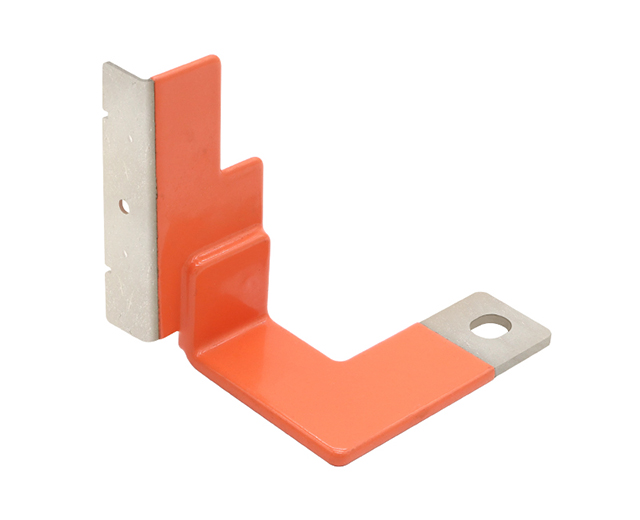
One of the primary uses of a busbar is to distribute electricity from a main power source to multiple circuits. This reduces the complexity and bulk of conventional cabling. Busbars are widely used in switchgear, distribution panels, and substations, where high efficiency and reliability are crucial.
Busbars, especially copper busbars, are designed to handle large currents with minimal resistance. Using a busbar instead of conventional wiring helps reduce heat generation, energy loss, and voltage drop. Aluminum Busbars offer a lightweight and cost-effective alternative while still providing high conductivity.
A busbar acts as a central point for connecting multiple feeders, transformers, or loads. This centralized connection simplifies the design and layout of electrical systems. Flexible Copper Busbar solutions are particularly useful in applications with vibration, thermal expansion, or dynamic movement, such as battery systems and electric vehicles (EVs).
Using busbars improves electrical safety by reducing loose connections and minimizing the risk of short circuits. Insulated Copper Busbar, including PVC Insulated Copper Busbar and Epoxy Insulated Copper Busbar, provides additional protection for personnel and equipment while maintaining low resistance and high current capacity.
Compared to multiple parallel cables, busbars occupy less space and allow more compact electrical layouts. This is particularly valuable in control panels, switchgear, and industrial power distribution systems, where space is limited and reliability is essential.
Flexible Copper Busbar: Ideal for dynamic systems, high vibration environments, or battery connections.
Solid Copper Busbar: Offers mechanical rigidity and excellent conductivity, suitable for high-current fixed installations.
Aluminum Busbar: Lightweight, cost-effective, and used in large-scale power distribution.
Insulated Copper Busbar: Provides safety and insulation in high-voltage or closely spaced systems.
High-Current Copper Busbar Assemblies: Designed for extreme current loads and industrial applications.
Copper Busbar Connector & Custom Solutions: Ensures reliable electrical connections with minimal resistance.
Busbars are widely used across various industries and applications:
Industrial Power Distribution: Power plants, factories, and large machinery.
Renewable Energy Systems: Solar farms, wind energy, and battery storage.
Electric Vehicles and Battery Systems: Custom Battery Busbar and Flexible Copper Busbar assemblies for EVs.
Switchgear and Substations: Centralized power collection and distribution.
Data Centers and Critical Infrastructure: High-current, low-resistance power delivery.
Low Electrical Resistance – Reduces energy loss and heat.
High Current-Carrying Capacity – Suitable for industrial and high-demand systems.
Reliable and Safe – Minimizes loose connections and short-circuit risks.
Space-Saving Design – Reduces wiring complexity and allows compact layouts.
Customizable – Copper Busbar Fabrication and Copper Busbar Customization enable tailored solutions for specific voltage, current, and space requirements.
The use of busbar in electrical systems is to efficiently collect, transmit, and distribute electrical power while carrying high currents safely and reliably. Whether it is Flexible Copper Busbar, Solid Copper Busbar, Insulated Copper Busbar, or High-Current Copper Busbar Assemblies, busbars provide compact, efficient, and safe solutions for modern electrical distribution needs. Advanced Copper Busbar Fabrication and Copper Busbar Customization allow engineers to design systems that maximize performance, safety, and reliability across industrial, commercial, and renewable energy applications.

Copyright © 2026 G AND N FORTUNE LIMITED All rights reserved.