


 English

Blog

2026-01-30 16:38:18
In electrical systems such as substations, switchgear, and battery packs, a common technical question is how to have busbar tabs have power. Busbar tabs are critical connection points, and ensuring they are properly energized is essential for system safety, reliability, and performance. This article explains how busbar tabs receive power, what conditions are required, and how different Copper Busbar types affect power distribution.
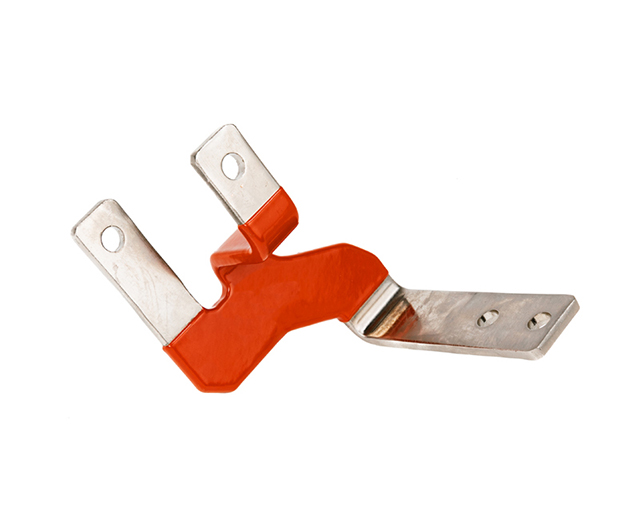
Busbar tabs are the exposed connection points on a busbar where electrical components are attached. These tabs may connect to:
Circuit breakers
Cables and lugs
Battery cells
Inverters or loads
Whether using a solid copper bus bar, laminated copper busbar, or Flexible Copper Busbar, the tabs act as the interface between the electrical copper bus bar and the rest of the system.
No. A busbar does not generate electricity. A bus bar copper component only conducts electricity once it is connected to an energized source. Busbar tabs will have power only when the busbar itself is properly energized and part of a closed circuit.
To have voltage present at the tabs, the copper busbar must be connected to:
A transformer output
A battery system (DC)
A generator
A main power feeder
Once energized, electricity flows through the electrical copper bus bar instantly, and all properly connected tabs receive power.
Busbar tabs will not have power if:
Circuit breakers are open
Disconnect switches are off
The return path is incomplete
A closed circuit from source → busbar → load → return is mandatory for power to appear at the tabs.
Even if the busbar is energized, poor connections can prevent tabs from having power:
Clean contact surfaces (especially important for solid copper bus bar)
Correct bolt torque
No oxidation or contamination
This is critical for high-current systems using Copper Battery Bus Bar or custom copper busbar designs.
Different applications require different busbar structures:
Solid copper bus bar
Ideal for rigid, high-current installations with minimal movement.
Flexible copper busbar / flexible bus bar / flexible copper braid
Used where vibration, thermal expansion, or misalignment exists. These ensure stable power delivery to tabs without mechanical stress.
Tinned copper busbar
Provides corrosion resistance and ensures long-term conductivity in humid or outdoor environments.
Laminated copper busbar
Improves current distribution and reduces losses, ensuring uniform voltage across multiple tabs.
Insulated copper busbar
Enhances safety while still allowing tabs to carry full operating voltage when correctly installed.
If using an insulated copper busbar, ensure:
Insulation is intact
No unintended grounding exists
Correct polarity is maintained (especially for DC systems)
Improper grounding can cause busbar tabs to show no voltage or unstable readings.
Use a multimeter to check:
Voltage between tabs and neutral/return
Continuity along the busbar length
If some tabs have power and others do not, the issue is usually:
Loose connections
Improper custom copper busbar design
Installation errors
Power source not energized
Open breaker or disconnect
Loose or oxidized joints
Incorrect busbar sizing
Faulty insulation
Low-quality or mismatched copper bus bar for sale
Substations and switchgear panels
Battery energy storage systems using copper Battery Bus Bar
EV and renewable energy systems
Industrial power distribution
In all cases, properly designed and installed copper busbars ensure that every tab receives stable and reliable power.
So, how to have busbar tabs have power comes down to correct system design and installation. A busbar tab will have power immediately when:
The busbar is connected to an energized source
The circuit is closed
Connections are secure and properly designed
Whether using a solid copper bus bar, flexible copper busbar, or sourcing a custom copper busbar or copper bus bar for sale, proper installation is the key to ensuring powered, reliable busbar tabs.

Copyright © 2026 G AND N FORTUNE LIMITED All rights reserved.