


 English

Blog

2026-03-19 17:44:58
In electrical engineering, choosing the correct busbar size is critical for safety, efficiency, and long-term performance. One of the most important parameters in busbar design is the cross-sectional area of the Copper Busbar. This value directly determines how much current the busbar can carry and how much heat it will generate.
In this guide, we’ll explain how to calculate the area of a Copper Busbar, why it matters, and how to use it in real-world applications.
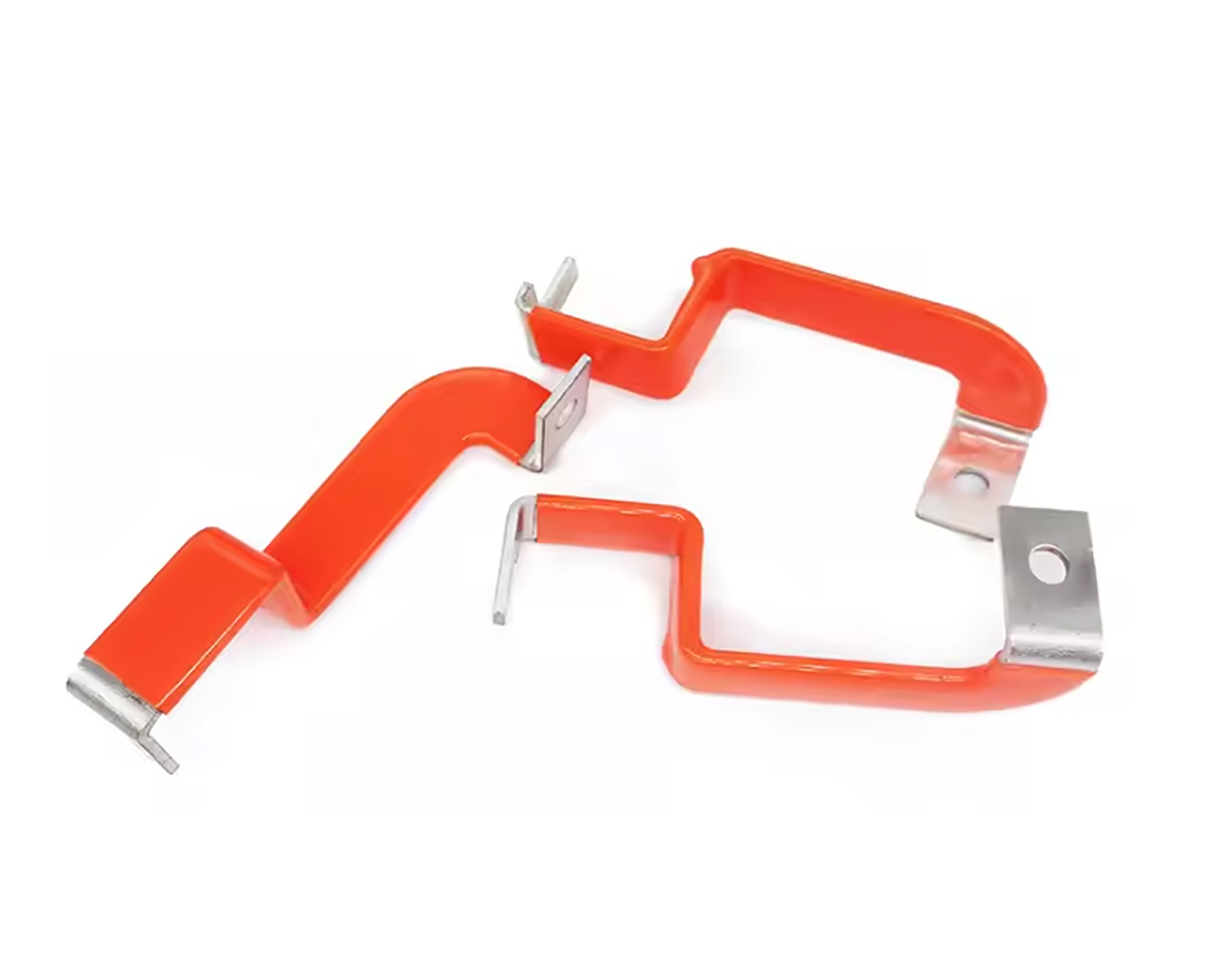
The area of a busbar refers to its cross-sectional area, which is the surface through which electrical current flows. It is typically measured in square millimeters (mm²).
The larger the busbar area, the higher its current-carrying capacity and the lower its resistance.
Most Copper Busbars are rectangular, so the calculation is simple:
A=W×T
Where:
A = cross-sectional area (mm²)
W = width of the busbar (mm)
T = thickness of the busbar (mm)
Let’s say you have a copper busbar with:
Width = 50 mm
Thickness = 10 mm
A=50×10=500mm2
This means the busbar has a cross-sectional area of 500 mm², which can then be used to calculate current density and load capacity.
Formula: A = Width × Thickness
Used in: switchgear, panels, EV systems
A=4πD2
D = diameter (mm)
Used in: grounding systems, special connectors
In high-current applications, multiple busbars are often used together:
Atotal=A1+A2+A3+...
Example:
Two busbars (50 × 10 mm each)
Each = 500 mm²
Total = 1000 mm²
A larger busbar area allows more current to flow safely.
J=AI
Increasing the busbar area reduces current density and heat.
Proper sizing ensures the busbar operates within safe temperature limits.
Lower resistance means less power loss and better energy efficiency.
When designing a busbar system, engineers usually follow these ranges:
Low voltage systems: 1.2–2.0 A/mm²
Compact systems (forced cooling): 2.0–3.5 A/mm²
High-power systems (liquid cooling): 3.5–6.0 A/mm²
Once you know the current, you can calculate the required busbar area using these values.
| Busbar Size (mm) | Area (mm²) | Typical Use |
|---|---|---|
| 20 × 5 | 100 | Small loads |
| 30 × 5 | 150 | Control panels |
| 40 × 10 | 400 | Medium power |
| 50 × 10 | 500 | Industrial systems |
| 100 × 10 | 1000 | High current systems |
Copper busbars are widely used in:
Electrical distribution panels
Switchgear and control cabinets
Renewable energy systems
Electric vehicle battery packs
Industrial machinery
Their excellent conductivity and durability make them ideal for high-current applications.
✔ Always consider cooling conditions when selecting busbar area
✔ Allow safety margins to prevent overheating
✔ Use multiple busbars for very high currents
✔ Consider plated busbars (tin/nickel) for corrosion resistance
Understanding how to calculate the area of a copper busbar is fundamental for designing safe and efficient electrical systems. By using simple formulas and considering current density, engineers can select the right busbar size for any application.
Busbar area = width × thickness, and it directly determines current capacity, heat generation, and system reliability.

Copyright © 2026 G AND N FORTUNE LIMITED All rights reserved.