


 English

Blog

2026-03-20 11:24:13
In modern electrical systems, the busbar is a fundamental component used to efficiently distribute power. From industrial switchgear to renewable energy systems and electric vehicles, the busbar plays a crucial role in ensuring safe, reliable, and high-capacity electrical connections.
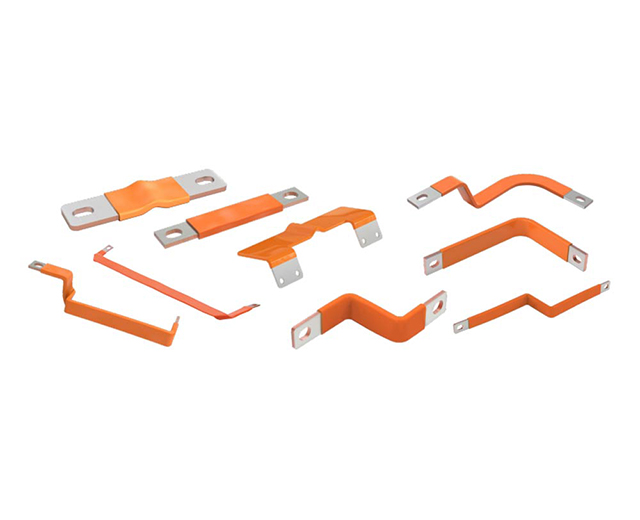
A busbar is a metallic conductor—typically made of copper or aluminum—designed to carry and distribute electrical current within a system. Unlike traditional wiring, a busbar is usually a solid strip, bar, or plate that can handle high currents with minimal energy loss.
The primary purpose of a busbar is to distribute electrical power from one source to multiple circuits.
Instead of using multiple cables, a single busbar can connect several electrical components, simplifying system design.
A busbar is designed to carry large amounts of current safely. Due to its larger cross-sectional area compared to wires, it offers:
Lower resistance
Reduced heat generation
Higher efficiency
Using a busbar reduces the complexity of wiring systems.
Fewer cables
Cleaner layout
Easier installation
This is especially important in switchgear and distribution panels.
Because of its flat or bar-shaped design, a busbar dissipates heat more effectively than round cables.
Better thermal performance leads to increased safety and longer service life.
A well-designed busbar system provides:
Strong mechanical support
Stable electrical connections
Lower risk of loose connections
This reduces the chance of electrical faults or failures.
In compact systems such as EV battery packs or control cabinets, a busbar allows for more efficient use of space compared to bulky wiring.
Solid copper or aluminum bars
Used in switchgear and power distribution systems
Made from laminated copper foils
Used where vibration or movement exists
Coated with insulating materials
Used in high-safety environments
Busbars are widely used in:
Electrical distribution panels
Switchgear systems
Renewable energy systems (solar, wind)
Electric vehicles (Battery Connections)
Industrial automation equipment
Data centers and power systems
| Feature | Busbar | Cable |
|---|---|---|
| Current capacity | High | Moderate |
| Heat dissipation | Excellent | Limited |
| Installation | Structured | Complex |
| Space usage | Compact | Bulky |
| Maintenance | Easy | More difficult |
Copper is the most commonly used material for busbars due to:
Excellent electrical conductivity
High thermal performance
Strong mechanical properties
Long lifespan
The purpose of a busbar is to provide a safe, efficient, and compact way to distribute electrical power within a system. By replacing complex wiring with a structured conductor, busbars improve performance, reduce energy loss, and enhance system reliability.
A busbar is the backbone of modern electrical distribution, enabling high-current transmission with efficiency and safety.

Copyright © 2026 G AND N FORTUNE LIMITED All rights reserved.