


 English

Blog

2026-03-20 11:41:13
When designing an electrical system, one of the most common questions engineers and buyers ask is: what is better, copper or aluminum bus bar? Both materials are widely used in busbar systems, but each has its own advantages and limitations.
In this article, we will compare Copper Busbar and Aluminum Busbar in terms of conductivity, cost, weight, performance, and applications—helping you choose the right bus bar for your needs.
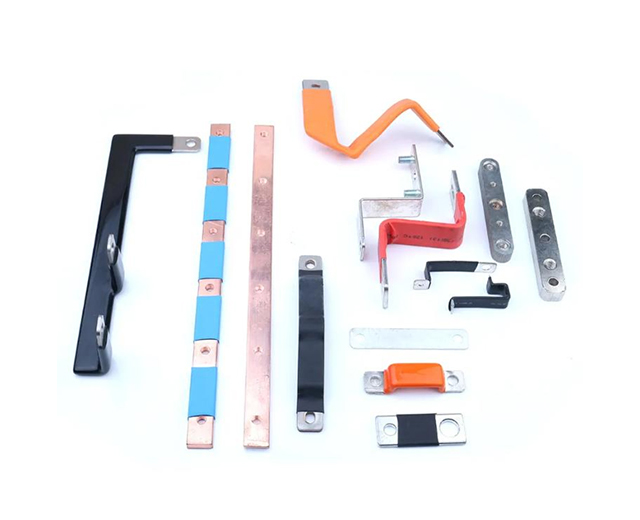
A bus bar is a metallic conductor used to distribute electrical power efficiently within a system. It is typically made of copper or aluminum and is used in:
Power distribution panels
Switchgear systems
Renewable energy installations
Electric vehicle battery systems
Copper busbar: Excellent conductivity (~100% IACS)
Aluminum Busbar: Lower conductivity (~61% IACS)
This means aluminum requires a larger cross-sectional area to carry the same current as copper.
Winner: Copper bus bar
Copper: Heavy
Aluminum: About 30% of copper’s weight
Aluminum is ideal for applications where weight reduction is critical, such as EVs or aerospace systems.
Winner: Aluminum bus bar
Copper busbar: More expensive
Aluminum busbar: Lower material cost
Aluminum is often chosen for large-scale projects to reduce overall cost.
Winner: Aluminum bus bar
Copper: Higher strength and durability
Aluminum: Softer and more prone to deformation
Copper performs better under mechanical stress and repeated loading.
Winner: Copper bus bar
Copper: Better heat dissipation
Aluminum: Lower thermal conductivity
Copper Busbars can handle higher current density with less overheating.
Winner: Copper bus bar
Copper: Naturally corrosion-resistant
Aluminum: Forms oxide layer (can affect conductivity at joints)
Aluminum connections often require special surface treatment or joint compounds.
Slight advantage: Copper bus bar
Copper busbar: Easier to connect and more reliable over time
Aluminum busbar: Requires careful joint design and maintenance
Winner: Copper bus bar
| Feature | Copper Bus Bar | Aluminum Bus Bar |
|---|---|---|
| Conductivity | Excellent | Moderate |
| Weight | Heavy | Lightweight |
| Cost | High | Lower |
| Strength | Strong | Softer |
| Heat Dissipation | Excellent | Good |
| Corrosion Resistance | Better | Needs treatment |
Choose a copper busbar when:
High current capacity is required
Space is limited
Long-term reliability is critical
High ताप stability is needed
Used in EV battery packs or high-end equipment
Choose an aluminum busbar when:
Cost reduction is a priority
Weight needs to be minimized
Space is not a major limitation
Used in large power distribution systems
Electric vehicles (EV battery connections)
High-performance switchgear
Data centers
Industrial automation
Large-scale power distribution
Renewable energy farms
Utility substations
There is no absolute “better” option—it depends on your application.
Choose copper bus bar for performance, reliability, and compact design
Choose aluminum bus bar for cost savings and lightweight requirements
Understanding the differences between copper busbar and aluminum busbar helps you make the right decision for your electrical system. While copper offers superior conductivity and durability, aluminum provides a cost-effective and lightweight alternative.
Copper is better for performance, while aluminum is better for cost and weight.

Copyright © 2026 G AND N FORTUNE LIMITED All rights reserved.