


 English

Blog

2026-03-26 09:55:42
When building a low-voltage electrical system, understanding how to wire a 12V bus bar is essential. Whether you’re working on an RV, marine system, solar setup, or automotive project, a properly installed 12v bus bar ensures clean wiring, stable power distribution, and improved safety.
In this guide, we’ll explain what is busbar, how to wire a 12v Battery Bus Bar, and best practices for using battery bus bars in real-world applications.
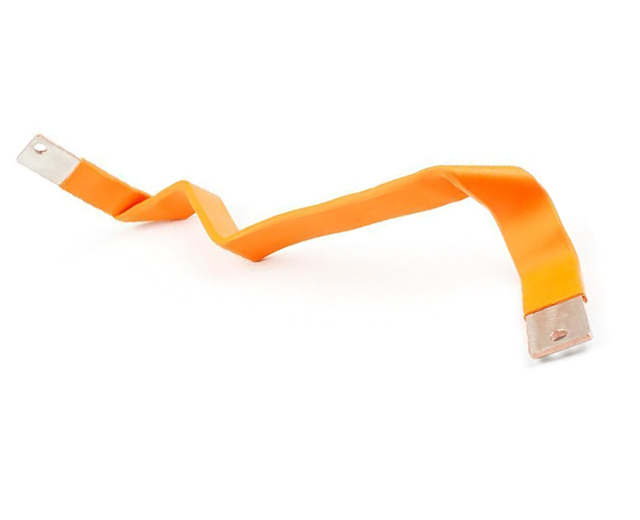
Before installation, it’s important to understand what is busbar.
A busbar is a conductive strip or block—usually made of copper or aluminum—used to distribute electrical power from one source to multiple circuits. In a DC system, busbars simplify wiring by acting as a central connection point.
In 12V systems, a Battery Busbar connects multiple devices to a single battery efficiently.
A 12v bus bar (also called bus bar 12v or bus bars 12v) is specifically designed for low-voltage DC systems. It is commonly used alongside batteries to distribute power to multiple loads.
Positive 12v bus bar (+)
Negative 12v bus bar (−)
A 12v battery bus bar is often used in combination to create a complete power distribution system.
Using battery bus bars offers several advantages:
Organized wiring layout
Reduced voltage drop
Easier expansion of circuits
Improved safety and reliability
Simplified troubleshooting
To wire a bus bar 12v, prepare:
12v bus bar (positive and negative)
Proper gauge cables
Ring terminals or lugs
Crimping tool
Heat shrink tubing
Fuse or circuit breaker
Screwdriver or wrench
Multimeter
Always disconnect the power source before working on busbars to prevent short circuits.
Install the bus bars 12v in a secure, dry location
Ensure proper spacing between positive and negative busbars
Use insulated mounts if available
Connect the battery positive terminal to the positive 12v battery bus bar
Install a fuse or circuit breaker close to the battery
This protects your entire system.
Connect the battery negative terminal to the negative Battery Busbar
Ensure a solid ground connection
Connect each device’s positive wire to the positive bus bar 12v
Connect each device’s negative wire to the negative busbar
This allows all devices to draw power from a centralized point.
Use proper lugs for all battery bus bars
Tighten connections firmly
Apply heat shrink tubing where necessary
Reconnect the battery
Measure voltage using a multimeter (~12V)
Verify all connected devices are working
A typical 12v bus bar system works like this:
Battery (+) → Fuse → Positive busbar
Battery (−) → Negative busbar
Devices → Connected to both busbars
Always use correct wire gauge
Install proper fuses for each circuit
Keep positive and negative busbars separated
Use insulated busbars for added safety
Avoid overloading the 12v bus bar
Skipping the fuse between battery and busbar
Using undersized wires
Loose or poorly crimped connections
Mixing polarity (positive/negative)
Overloading battery bus bars
A Battery Busbar is widely used in:
Automotive electrical systems
Marine and boat wiring
RV and camper setups
Solar energy systems
Off-grid battery systems
Learning how to wire a 12V bus bar is essential for building safe, efficient, and scalable electrical systems. By using properly installed 12v bus bars, you can simplify wiring, improve reliability, and ensure consistent power distribution.
A 12v battery bus bar provides a central, organized, and efficient way to distribute power from your battery to multiple devices.

Copyright © 2026 G AND N FORTUNE LIMITED All rights reserved.