


 English

Blog

2026-04-01 14:24:04
The resistance of a copper bus bar is a key factor in determining its efficiency in electrical systems. Copper Busbars are widely used because of their low electrical resistance, which allows efficient power transmission with minimal energy loss.
However, the resistance of a copper bus bar is not a fixed value. It depends on several factors such as material, length, cross-sectional area, and temperature.
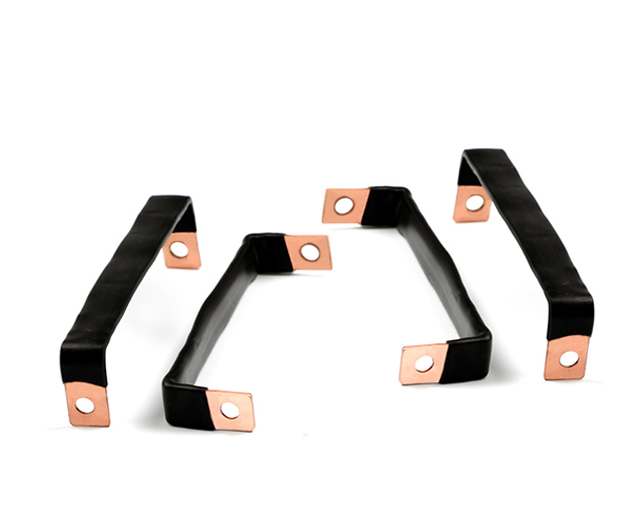
The resistance of an electrical copper bus bar can be calculated using the standard formula:
R = \rho \times \frac{L}{A}R=ρ×AL
Where:
R = Resistance (Ohms)
ρ (resistivity) = Copper resistivity (~1.68 × 10⁻⁸ Ω·m for Copper Busbar ETP)
L = Length of the copper busbar (m)
A = Cross-sectional area (m²)
This formula shows that longer Copper Busbars have higher resistance, while larger cross-sectional areas reduce resistance.
For a bare copper busbar with:
Length = 1 meter
Cross-section = 100 mm²
The resistance is approximately:
0.000168 Ω (0.168 mΩ)
This extremely low resistance is why copper bus bars are preferred in high-current applications.
High-purity copper such as electrolytic copper busbar (Copper Busbar ETP) provides the lowest resistance.
Thicker copper bus bars reduce resistance and improve current-carrying capacity.
Longer copper busbars increase resistance proportionally.
Tin coated copper busbar: Slightly higher resistance but better corrosion resistance
Nickel copper busbar: Improved durability in harsh environments
Flexible Laminated Copper BusBar reduces resistance caused by vibration and improves connection reliability
Insulated copper busbar / insulated busbar ensures safety without significantly affecting conductivity
Low resistance is critical in the following applications:
Copper busbar battery systems (EV, energy storage)
Panel board copper busbar in distribution systems
Copper busbar current collector in power modules
Industrial power equipment and renewable energy systems
In these applications, even a small increase in resistance can lead to heat generation and energy loss.
A professional copper busbar manufacturer ensures:
Use of high-quality Copper Busbar ETP materials
Precision design for optimal resistance and performance
Custom solutions (size, plating, insulation)
Strict quality control and testing
If you are looking for high-performance solutions, explore our range of:
Insulated copper busbar
Flexible laminated copper busbar
Tin coated copper busbar
Custom copper busbars for battery and industrial applications
The resistance of a copper bus bar is extremely low, making it an ideal solution for efficient power distribution. By selecting the right type—such as bare copper busbar, insulated copper busbar, or flexible laminated copper busbar—and working with a trusted copper busbar manufacturer, you can ensure optimal performance and long-term reliability.

Copyright © 2026 G AND N FORTUNE LIMITED All rights reserved.