


 English

Solid Aluminum Busbar

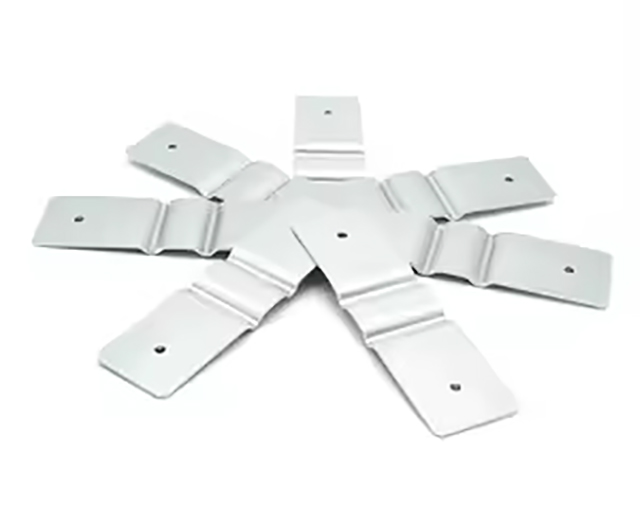
An aluminum bus bar is an electrical conductor made from aluminum or aluminum alloy, designed to distribute and transmit electrical power efficiently within power systems. Compared with traditional cables, Aluminum Busbars provide a compact structure, excellent heat dissipation, and simplified installation, making them widely used in modern electrical and energy applications.
Today, aluminium busbars are commonly found in electric vehicles, energy storage systems, renewable energy installations, industrial switchgear, and power distribution cabinets.
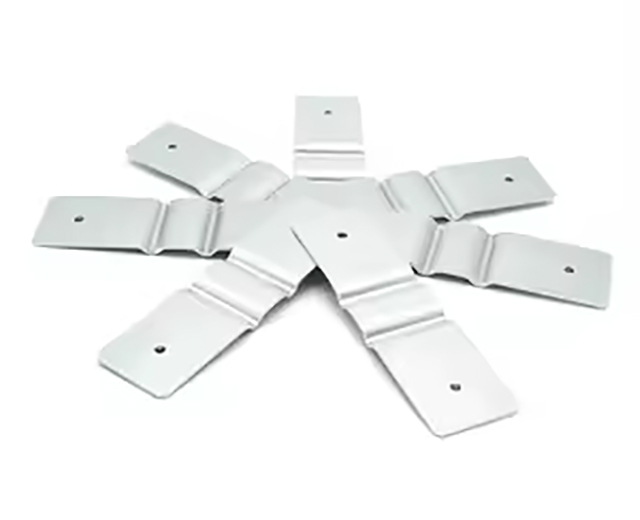
Aluminum has a much lower density than copper, which significantly reduces system weight. This makes aluminum busbars ideal for applications where weight reduction is critical, such as EV battery systems and portable power units. In addition, aluminum is more cost-effective, especially for large-scale power distribution projects.
Although aluminum has lower conductivity than copper, proper design and increased cross-sectional area allow an aluminum bus bar to carry high current safely and efficiently. With correct engineering, aluminum busbars can meet or exceed system performance requirements.
The flat geometry of aluminum busbars increases surface area, allowing efficient heat dissipation. This helps maintain stable operation under continuous high-current conditions and extends service life.
Modern power systems often require vibration resistance and compact layouts. Flexible Busbar solutions made from laminated aluminum provide excellent flexibility, accommodate thermal expansion, and simplify installation in tight spaces.
A common question in power system design is aluminum bus bar vs copper. Each material has its own advantages.
| Feature | Aluminum Bus Bar | Copper Bus Bar |
|---|---|---|
| Weight | Lightweight | Heavy |
| Material Cost | Lower | Higher |
| Conductivity | Lower | Higher |
| Installation | Easier for large systems | Compact but heavier |
| Typical Use | EVs, ESS, renewables | Space-limited systems |
So, what is better copper or aluminum bus bar?
Copper is preferred when space is extremely limited and maximum conductivity is required. Aluminum busbars are better when cost efficiency, lightweight design, and scalability are more important.
Different aluminum alloys are used depending on electrical and mechanical requirements.
High mechanical strength
Good corrosion resistance
Suitable for structural and industrial applications
High electrical conductivity
Optimized for power transmission
Widely used in electrical substations and energy systems
Both 6061 aluminum bus bar and 6101 aluminum bus bar can be customized in size, thickness, and shape to meet specific current ratings.
Surface treatments improve conductivity, durability, and contact reliability.
A tin plated aluminum bus bar improves corrosion resistance and reduces contact resistance, making it suitable for bolted connections and long-term operation.
Silver plated aluminum bus bars offer superior conductivity and minimal contact resistance. They are commonly used in high-performance electrical systems, EV power modules, and precision equipment.
Additional options include anodizing, insulation coating, and heat-shrink protection for enhanced safety.
Flexible busbar designs are increasingly used in dynamic and compact electrical systems. Flexible aluminum busbars help absorb vibration, compensate for thermal expansion, and improve system reliability. They are ideal for battery packs, inverters, and power distribution units.
Aluminum busbars are widely applied in:
Electric vehicles and charging systems
Energy storage systems (ESS)
Solar and wind power installations
Industrial power distribution and switchgear
Data centers and high-current equipment
A professional aluminum bus bar manufacturer should provide:
High-quality aluminum materials
Precision cutting, bending, and punching
Advanced plating technologies
Strict quality control and testing
OEM and custom design support
Selecting an experienced manufacturer ensures long-term performance and system safety.
Aluminum busbars provide an excellent balance of performance, weight reduction, and cost efficiency. Whether comparing aluminum bus bar vs copper, selecting 6061 aluminum bus bar or 6101 aluminum bus bar, or choosing advanced solutions such as tin plated aluminum bus bar, silver plated aluminum bus bars, or flexible busbar designs, aluminum remains a reliable and future-oriented choice for modern power systems.
What is aluminum bus bar?
An aluminum bus bar is a solid or laminated conductor made from aluminum or aluminum alloy, used to distribute and transmit electrical power within electrical systems. Aluminum busbars are commonly used in power distribution, electric vehicles, energy storage systems, and industrial equipment due to their lightweight and cost efficiency.
Aluminum busbars are used in applications requiring high-current transmission and reliable power distribution, including:
Electric vehicle battery packs
Energy storage systems (ESS)
Power distribution cabinets and switchgear
Solar and wind power systems
Industrial electrical equipment
The main comparison is aluminum bus bar vs copper:
Aluminum busbars are lighter and more cost-effective
Copper busbars have higher electrical conductivity but higher weight and cost
When properly designed, aluminum busbars can safely replace copper in many applications.
What is better copper or aluminum bus bar?
Copper is better when maximum conductivity is required in a limited space. Aluminum busbars are better when weight reduction, lower cost, and large-scale power distribution are priorities. The best choice depends on the specific electrical and mechanical requirements.
Yes. Aluminum busbars are safe for high-current applications when correctly sized and manufactured. Increasing the cross-sectional area and using appropriate surface treatments ensures stable performance and low resistance.
Aluminum oxidizes naturally, which can increase contact resistance. Surface treatments improve reliability:
Tin plated aluminum bus bar – improves corrosion resistance and reduces contact resistance
Silver plated aluminum bus bars – provide superior conductivity for high-performance applications

Copyright © 2026 G AND N FORTUNE LIMITED All rights reserved.