


 English

Flexible Copper Busbar

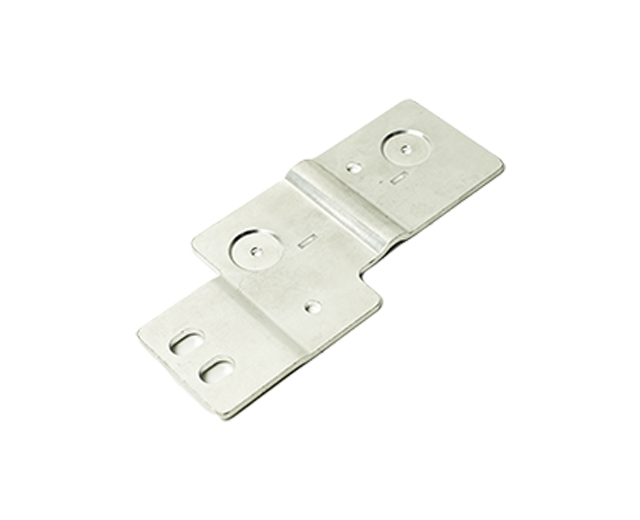
Aluminium bus bars (bus bar aluminium / Aluminum Bus Bar) are electrical conductors made from high-purity aluminium alloys, designed for efficient power distribution in electrical systems. They are widely used as an alternative to copper busbars due to their lightweight structure, cost efficiency, and good conductivity-to-weight ratio.
An aluminium busbar is commonly used in switchgear, substations, renewable energy systems, and industrial power distribution networks where large current needs to be transmitted safely and economically.
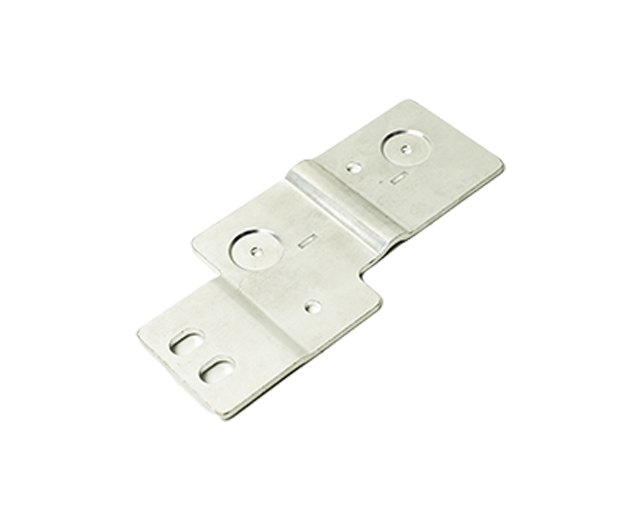
Many users ask: What are the uses of aluminium busbar?
Aluminium bus bars are mainly used for:
Power distribution in electrical panels
Substations and transformer systems
Renewable energy systems (solar & wind power)
Industrial control cabinets
Rail transit and transportation systems
Large-scale electrical infrastructure
Because of their lightweight nature, aluminium busbars are especially suitable for high-voltage and large-scale installations.
The performance of an aluminium busbar depends heavily on the aluminum busbar material and alloy selection.
High conductivity alloy
Excellent strength-to-weight ratio
Widely used in power transmission systems
Ideal for high current aluminium bus bars
Strong mechanical performance
Good corrosion resistance
Suitable for structural and industrial applications
Common in bus bar aluminium fabrication
Lightweight compared to copper
Good electrical conductivity
Excellent machinability
Cost-effective solution for large systems
Different applications require different designs of aluminium busbars:
Standard rigid design
Used in switchgear and distribution panels
Hollow structure design
Better heat dissipation
Reduced material usage
Suitable for high current systems
A copper clad aluminium busbar combines:
Aluminium core (lightweight)
Copper outer layer (high conductivity)
Advantages:
Lower cost than full copper busbars
Better conductivity than pure aluminium
Improved corrosion resistance
Widely used in hybrid power systems
| Feature | Aluminium Bus Bar | Copper Bus Bar |
|---|---|---|
| Weight | Lighter | Heavier |
| Cost | Lower | Higher |
| Conductivity | Medium | High |
| Size requirement | Larger | Smaller |
| Application | Large-scale systems | Compact high-performance systems |
Aluminium busbars weigh about 30–40% of copper, making installation easier.
The aluminium busbar price is significantly lower than copper alternatives.
With proper sizing, aluminium can efficiently handle high current loads.
With surface treatments, aluminium performs well in harsh environments.
Aluminium is easy to machine, drill, and form into complex shapes.
Choosing a reliable aluminium busbar manufacturer is critical for performance and safety.
Professional aluminium busbar suppliers typically offer:
Custom aluminium bus bar design
CNC machining and cutting
Tin or nickel plating options
OEM/ODM production
Quality testing for conductivity and load capacity
Experienced manufacturers ensure stable quality for industrial and energy applications.
The aluminium busbar price depends on several factors:
Aluminium alloy type (6061, 6101, etc.)
Cross-sectional size and thickness
Surface treatment (bare, tin plated, copper clad)
Order quantity
Custom machining requirements
Market aluminium raw material cost
In general, aluminium busbars offer a cost-effective solution compared to copper busbars, especially for large-scale projects.
Aluminium bus bars are widely used in:
Electrical switchboards
Distribution cabinets
Transformer stations
Solar inverters
Wind power systems
Energy storage systems
Motor control centers
Automation systems
Heavy machinery power distribution
Rail transit systems
Electric vehicles (EV power systems)
Charging infrastructure
Aluminium bus bars (aluminum bus bar) are an essential solution for modern electrical power distribution systems. With advantages such as lightweight design, cost efficiency, and reliable conductivity, they are widely used across industrial, renewable energy, and transportation sectors.
By selecting the right aluminium busbar manufacturer and material grade such as 6101 aluminum bus bar or 6061 aluminum bus bar, engineers can achieve optimal performance for different electrical applications.
Whether choosing standard bus bar aluminium, advanced aluminium tubular busbar, or hybrid copper clad aluminium busbar, aluminium remains a practical and economical choice for large-scale electrical infrastructure.

Copyright © 2026 G AND N FORTUNE LIMITED All rights reserved.