


 English

Blog

2026-05-14 11:00:15
A busbar in a panel board is a copper or metal conductor used to distribute electrical power efficiently across multiple circuits within a power distribution system. In modern electrical panels, Panel Board Copper Busbars are preferred for their high conductivity, mechanical strength, and thermal efficiency, making them essential components for industrial, commercial, and infrastructure applications.
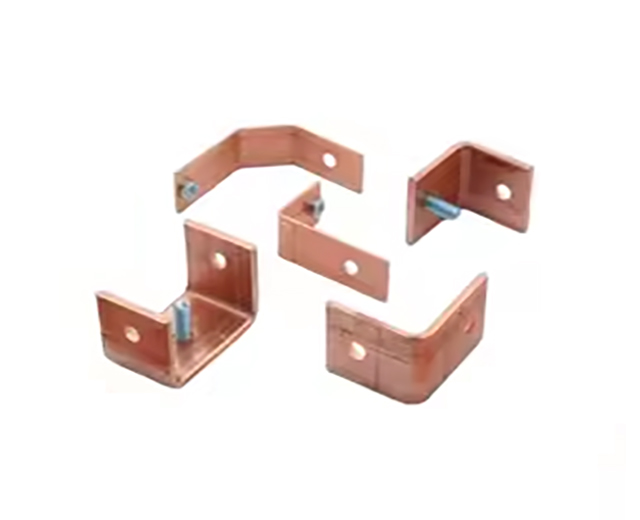
Panel Board Copper Busbars are designed to handle high current loads safely and reliably. Their main features include:
High Conductivity: Made from copper with ≥98% IACS conductivity, reducing power loss compared to Aluminum Busbars.
Mechanical Strength: Hard-drawn copper with tensile strength of 200–250 N/mm² can withstand electromechanical forces.
Temperature Resistance: Rated for continuous operation at 90°C and short-term fault temperatures up to 130°C.
Corrosion Protection: Optional tin or silver plating ensures long-lasting performance in humid, marine, or industrial environments.
Custom Sizes: Busbars are available in various dimensions (commonly 3×10 mm to 12×120 mm) to fit different panel board designs.
A Copper Busbar for Panel Board acts as the main electrical backbone of the panel:
Power Distribution: It transfers electricity from the main supply to multiple branch circuits.
Short-Circuit Withstand: Designed to handle high short-circuit currents (up to 50 kA for 1 second) without deformation.
Low Impedance Path: Ensures minimal voltage drop and high efficiency at 50/60 Hz.
Space Efficiency: Compact copper busbar designs allow for maximum use of panel board space.
Copper Busbars in Electrical Panels are widely used across various industries:
Industrial Power Distribution: Motor control centers and high-current power panels.
Data Centers: N+1 busway systems for uninterrupted power supply.
Renewable Energy Systems: Solar and wind installations requiring overload capacity.
Marine & Offshore: Silver-plated busbars in IP66 enclosures for ships and oil rigs.
High-Rise Buildings: Vertical risers using compact panel board busbar systems.
Connecting a busbar properly is crucial for safety and efficiency:
Maintain proper clearance between busbar and panel board components (typically 10–50 mm).
Use bolts, washers, and insulated spacers for secure installation.
Apply correct torque (20–50 N·m for M10 bolts).
Ensure the contact surfaces are clean and plated (tin or silver) for optimal conductivity.
Perform electrical testing, including insulation resistance (>1 MΩ) and contact resistance (<15 μΩ).
Regular maintenance ensures longevity and safe operation of Electrical Panel Copper Busbars:
Visual Inspections: Quarterly, for corrosion, discoloration, or distortion (>1 mm per 100 mm).
Torque Checks: Annually, to ensure all connections remain secure.
Surface Cleaning: Biannually, using non-abrasive solvents such as ≥99% isopropyl alcohol.
Thermal and Electrical Testing: Infrared scanning and partial discharge testing for medium voltage panels.
High Conductivity Copper Busbars provide several advantages over other materials:
Reduced power loss and higher efficiency.
Superior mechanical strength for high-current applications.
Excellent corrosion resistance with plating options.
Long-term reliability in harsh environments.
Flexible customization options for custom copper busbars for panel boards.
Panel Board Copper Busbar Suppliers offer a range of products including:
Copper Busbar for Panel Board – standard and customized sizes.
Copper Busbar in Electrical Panel – bare or plated.
Copper Busbar with Tin Plating – corrosion-resistant.
Custom Copper Busbar for Panel Board – tailored for industrial, commercial, or marine applications.
By using a Panel Board Busbar System, electrical engineers can ensure safe, efficient, and reliable power distribution across all circuits in a panel board.

Copyright © 2026 G AND N FORTUNE LIMITED All rights reserved.