


 English

Blog

2026-06-18 09:18:51
In modern electrical systems, the Copper Busbar is an essential component for transmitting and distributing electrical power efficiently. From power distribution cabinets and switchgear to renewable energy systems and battery energy storage systems (BESS), Copper Busbars provide a low-resistance, high-current path that ensures reliable electrical performance.
As electrical equipment becomes more compact and power demands continue to increase, manufacturers have developed different busbar structures, including tubular busbar, hollow busbar, and Solid Busbar designs, to meet various application requirements.
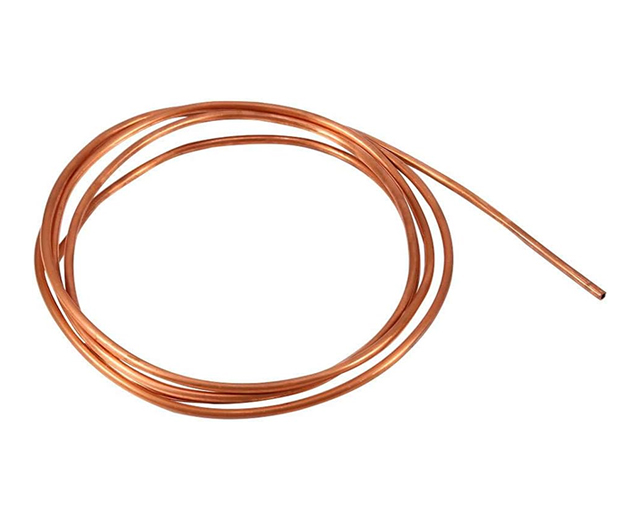
A copper busbar is a conductive strip, rod, or tube made from high-purity copper that is used to collect and distribute electrical current within an electrical system.
Unlike conventional cables, a copper busbar conductor offers:
Lower electrical resistance
Higher current-carrying capacity
Better thermal performance
Reduced power loss
Easier installation and maintenance
Improved system reliability
A power distribution busbar can be manufactured in different shapes and configurations depending on current requirements and installation conditions.
Common busbar types include:
Flat copper busbar
Tubular busbar
Hollow busbar
Solid busbar
Flexible laminated busbar
Nickel-plated copper busbar
A tubular busbar, also called a tubular bus bar, is a cylindrical conductor with either a hollow or solid structure designed to carry high electrical currents.
Compared with flat busbars, tubular busbars provide several advantages:
The circular structure offers excellent resistance to bending and deformation.
The larger surface area improves cooling efficiency and reduces operating temperatures.
At higher frequencies, current tends to flow on the conductor's surface. The tubular design minimizes conductor material while maintaining current-carrying capacity.
A hollow busbar uses less copper than a solid conductor while maintaining similar electrical performance.
Because of these benefits, tubular busbars are widely used in:
Electrical substations
High-voltage switchgear
Renewable energy systems
Data centers
Industrial power distribution systems
Battery energy storage systems (BESS)
Choosing between a hollow busbar and a solid busbar depends on current requirements, installation conditions, and cost considerations.
A hollow copper tubular busbar consists of a conductive tube with an empty center.
Lower weight
Reduced copper consumption
Excellent heat dissipation
Lower skin effect losses
Easier installation for large conductors
High-current transmission systems
Substations
Renewable energy projects
Long-span electrical installations
A solid copper tubular busbar is completely filled with copper and provides maximum mechanical strength.
Higher structural rigidity
Better resistance to mechanical impact
Suitable for compact installations
Excellent short-circuit withstand capability
Electrical switchboards
Power control cabinets
Industrial equipment
Heavy-duty electrical systems
A Copper Tubular Busbar combines excellent conductivity with superior mechanical performance.
A High Current Copper Busbar can safely carry large amounts of electrical current while minimizing power losses.
Copper has one of the highest electrical conductivity ratings among commercial metals, making it ideal for Electrical Busbar applications.
The tubular design promotes better airflow and heat dissipation, extending equipment life.
Compared with traditional cable systems, a Power Distribution Busbar allows more compact electrical designs.
Copper exhibits excellent corrosion resistance and maintains stable performance for decades.
Many industries choose a Nickel-plated Copper Busbar for demanding operating environments.
Nickel plating provides:
Improved corrosion resistance
Better oxidation protection
Enhanced wear resistance
Excellent high-temperature performance
Increased service life in harsh environments
Applications include:
Marine electrical systems
Battery energy storage systems
Railway transportation
Aerospace equipment
Chemical processing plants
Outdoor power distribution systems
Modern Copper Busbar Conductors are widely used in various industries.
A Power Distribution Busbar is commonly installed in:
Switchgear
Distribution panels
Transformer stations
MCC cabinets
Copper busbars are essential for:
Solar power systems
Wind energy installations
Battery storage systems
EV charging stations
Applications include:
CNC machinery
Automation equipment
Motor control centers
Heavy electrical equipment
A High Current Copper Busbar provides reliable power distribution for:
Server rooms
UPS systems
Communication equipment
AI computing centers
Tubular busbars are widely used in:
Rail transit systems
Electric vehicles
Charging infrastructure
Shipbuilding and marine systems
Professional copper tubular busbar manufacturers typically follow strict production processes:
High-purity T2, C11000, or oxygen-free copper is selected.
The conductor is formed into tubular bus bar, hollow busbar, or solid busbar configurations.
Processes include:
Cutting
Drilling
CNC machining
Bending
Threading
Available finishes include:
Bare copper
Tin plating
Silver plating
Nickel-plated Copper Busbar
Manufacturers perform:
Conductivity testing
Dimensional inspection
Current-carrying verification
Plating thickness measurement
Mechanical strength testing
When selecting a Copper Tubular Busbar, consider the following factors:
Determine whether a High Current Copper Busbar is required.
Corrosive environments may require a Nickel-plated Copper Busbar.
A Hollow Copper Tubular Busbar offers significant weight savings.
Heavy-duty applications often require a Solid Copper Tubular Busbar.
The compact design of a Power Distribution Busbar can simplify installation and improve system layout.
Understanding what is copper busbar is essential when designing safe and efficient electrical systems. Whether you choose a tubular busbar, hollow busbar, or solid busbar, each structure offers unique advantages in terms of conductivity, weight, strength, and heat dissipation.
As power systems continue to demand higher efficiency and greater current capacity, Copper Tubular Busbar, High Current Copper Busbar, Nickel-plated Copper Busbar, and advanced Copper Busbar Conductors have become indispensable solutions for modern Electrical Busbar and Power Distribution Busbar applications.
Working with experienced copper tubular busbar manufacturers ensures customized designs, reliable quality, and long-term performance for a wide range of industrial and electrical projects.

Copyright © 2026 G AND N FORTUNE LIMITED All rights reserved.