


 English

Blog

2026-06-23 16:19:53
As power systems become more compact and efficient, the demand for advanced electrical interconnection solutions continues to grow. From renewable energy systems and industrial automation to electric vehicles, the laminated busbar market has experienced rapid expansion due to its superior electrical and mechanical performance.
But what is the difference between a laminated busbar and a Solid Busbar? Understanding their structures, advantages, and applications can help engineers and buyers choose the right solution for their projects.
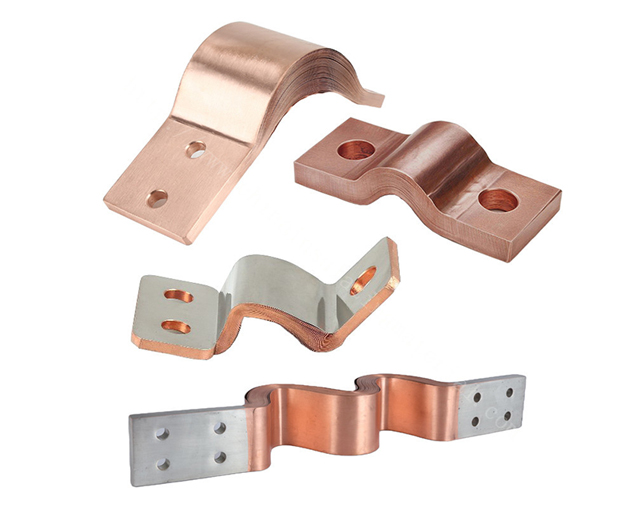
A laminated busbar is an engineered electrical conductor consisting of multiple layers of copper or aluminum separated by thin insulating materials and laminated together under heat and pressure. Unlike traditional Solid Busbars, laminated busbars are designed to minimize inductance, reduce electromagnetic interference (EMI), and improve power distribution efficiency.
A laminated Copper Busbar is the most common type because copper offers excellent electrical conductivity, thermal performance, and corrosion resistance.
Low inductance design
Reduced electromagnetic interference (EMI)
Compact and lightweight structure
Improved thermal management
Customized shapes and configurations
Fewer assembly components and connections
Because of these advantages, laminated bus bars are increasingly replacing conventional solid busbars in high-performance electrical systems.
A solid busbar is a single piece of conductive metal, usually busbar copper or aluminum, used to distribute electrical power. It has been widely utilized in switchgear, electrical panels, and industrial power distribution systems for decades.
Solid busbars offer:
High mechanical strength
Simple manufacturing process
Lower initial cost
Easy installation for conventional applications
However, as power electronics become more compact and operate at higher frequencies, traditional solid busbars may experience higher inductance and increased energy losses.
Laminated busbar:
Multiple conductive layers separated by insulation
Engineered through laminated bus plate technology
Highly customizable shapes and dimensions
Solid busbar:
Single copper or aluminum conductor
Simple rectangular or flat bar design
Limited design flexibility
One of the biggest advantages of a laminated bus bar is its low inductance.
The closely spaced conductive layers create opposing magnetic fields that significantly reduce inductance and EMI. This makes laminated busbars ideal for high-speed switching applications such as:
Inverters
Battery systems
Power converters
Renewable energy equipment
Solid busbars generally have higher inductance, making them less efficient in high-frequency applications.
A Laminated Copper BusBar provides better heat distribution because current flows evenly through multiple conductive layers.
Benefits include:
Lower operating temperatures
Improved reliability
Longer service life
Reduced hot spots
Solid busbars rely mainly on the thermal conductivity of a single conductor and may require additional cooling systems.
Modern electronic systems demand compact designs. Laminated bus bars can integrate multiple circuits into one assembly, reducing:
Wiring complexity
Connection points
Installation space
Assembly time
Solid busbars generally require more installation space and additional hardware.
Solid busbars often have lower upfront manufacturing costs. However, a laminated busbar can reduce total system costs by offering:
Faster assembly
Fewer components
Higher reliability
Lower maintenance requirements
Improved system efficiency
As the laminated busbar industry continues to develop, production technologies have become more advanced and cost-effective.
The rapid growth of electric vehicles has become a major driving force behind the laminated busbar market.
An electric vehicle application laminated busbar is widely used in:
Battery management systems (BMS)
Power distribution units (PDU)
Inverters
On-board chargers (OBC)
DC-DC converters
A laminated bus bar EV solution offers several advantages:
Helps improve switching efficiency and reduce power losses.
Supports high-current charging and discharging operations.
Contributes to vehicle weight reduction and improved driving range.
Minimizes connection failures and increases system safety.
Because of these benefits, electric vehicle application laminated busbar products have become essential components in new energy vehicles.
The global laminated busbar market is expanding rapidly due to increasing demand from:
Electric vehicles
Energy storage systems
Solar inverters
Wind power equipment
Data centers
Industrial automation
The continuous innovation in laminated bus plate technology is enabling manufacturers to develop more efficient and customized power distribution solutions.
The future of the laminated busbar industry is expected to be driven by:
Higher power density requirements
Electrification trends
Renewable energy expansion
Smart manufacturing and Industry 4.0
Selecting experienced laminated busbar manufacturers and professional busbar manufacturers is critical to ensuring product quality and system performance.
When evaluating suppliers, consider:
Engineering and design capabilities
Material quality of busbar copper
Production experience
Customization options
Testing and certification standards
Delivery and technical support
Reliable laminated busbar manufacturers can provide customized solutions that meet the demanding requirements of EVs, renewable energy systems, and industrial applications.
The main difference between a laminated busbar and a solid busbar lies in their structure and performance. While solid busbars remain suitable for conventional power distribution systems, laminated busbars offer significant advantages in low inductance, thermal management, compact design, and system reliability.
As the laminated busbar market and laminated busbar industry continue to grow, applications such as electric vehicle application laminated busbar and laminated bus bar EV systems are driving demand for innovative and efficient power distribution technologies. Choosing the right busbar manufacturers and high-quality busbar copper solutions can help businesses achieve higher performance, reliability, and long-term value.

Copyright © 2026 G AND N FORTUNE LIMITED All rights reserved.