


 English

Blog

2026-06-23 16:48:16
As modern electrical systems become more compact and power-intensive, reliable electrical connections are more important than ever. Whether in electric vehicles, renewable energy systems, industrial automation, or power distribution equipment, busbar connectors play a critical role in ensuring efficient and safe power transmission.
But what are bus bar connectors, and why are they essential in today's electrical applications? This guide explains the types, materials, benefits, and applications of busbar connectors and how to choose the right solution for your system.
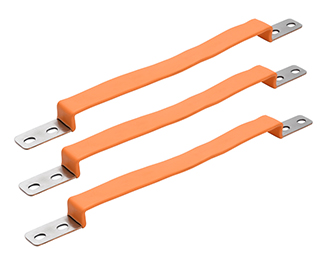
Bus bar connectors are electrical components designed to connect busbars to other busbars, cables, batteries, switchgear, or electrical equipment. They provide secure electrical and mechanical connections, allowing electrical current to flow efficiently throughout a power distribution system.
A busbar connector is typically manufactured from highly conductive materials such as copper or aluminum and is engineered to handle high currents while minimizing resistance and heat generation.
Because busbars are widely used in high-power electrical systems, selecting the appropriate electrical busbar connectors is essential for system performance, safety, and reliability.
The primary function of a busbar connector is to create a low-resistance and reliable connection between conductive components.
Key benefits include:
High current-carrying capacity
Low electrical resistance
Improved system efficiency
Enhanced thermal management
Reduced energy losses
Increased operational safety
Easy installation and maintenance
High-quality busbar connectors can significantly improve the reliability and lifespan of electrical systems.
Copper bus bar connectors are among the most widely used types of connectors because copper offers excellent electrical conductivity and thermal performance.
Advantages include:
High conductivity
Excellent corrosion resistance
Superior mechanical strength
Long service life
Suitable for high-current applications
These connectors are commonly used in power distribution systems, switchgear, and renewable energy equipment.
A Copper Busbar connector is specifically designed to connect Copper Busbars within electrical systems. Due to copper's superior conductivity, these connectors are widely used in:
Battery energy storage systems (BESS)
Data centers
Electric vehicle charging systems
Industrial control equipment
Solar and wind power systems
A properly designed copper busbar connector minimizes voltage drops and improves overall system efficiency.
In harsh operating environments, nickel plated copper busbar connectors provide additional protection against corrosion and oxidation.
Benefits of nickel plating include:
Enhanced corrosion resistance
Improved wear resistance
Better high-temperature performance
Extended service life
Improved reliability in humid and corrosive environments
Nickel plated copper busbar connectors are widely used in:
Marine applications
Electric vehicles
Battery packs
Energy storage systems
Outdoor electrical equipment
Flexible busbar connectors are designed to absorb vibration, compensate for thermal expansion, and accommodate movement between electrical components.
Their advantages include:
Excellent flexibility
Reduced mechanical stress
Improved vibration resistance
Easier installation in confined spaces
Enhanced reliability under dynamic conditions
Flexible busbar connectors are commonly used in:
Electric vehicles
Rail transportation systems
Power generation equipment
Industrial machinery
Renewable energy systems
As electrical systems become increasingly compact, the demand for flexible busbar connectors continues to grow.
Modern electrical busbar connectors are used across a wide range of industries.
Busbars and connectors are essential for:
Battery packs
Power distribution units (PDUs)
Inverters
DC-DC converters
On-board chargers
Reliable busbar connectors help improve efficiency, safety, and thermal management in EV applications.
Energy storage systems require connectors capable of carrying high currents continuously. Copper bus bar connectors and nickel plated copper busbar connectors are commonly used to ensure stable and efficient energy transfer.
Solar and wind energy installations rely on electrical busbar connectors to connect:
Inverters
Battery systems
Combiner boxes
Distribution cabinets
High-conductivity copper bus bar connector solutions help reduce energy losses and improve system efficiency.
Industrial facilities use busbar connectors in:
Switchgear
Distribution panels
Motor control centers
Data centers
Manufacturing equipment
Reliable connectors help maintain stable power distribution and reduce maintenance costs.
Selecting the appropriate busbar connector depends on several factors:
The connector must safely handle the required operating current.
Copper remains the preferred material because of its excellent conductivity. Copper bus bar connectors offer superior electrical performance compared to many alternatives.
For corrosive or humid environments, nickel plated copper busbar connectors provide enhanced durability.
Applications involving vibration or thermal expansion should consider flexible busbar connectors to prevent connection failures.
Compact systems often require customized electrical busbar connectors to maximize space efficiency.
The popularity of copper bus bar connectors comes from their numerous benefits:
Exceptional electrical conductivity
Low contact resistance
Excellent thermal performance
High mechanical strength
Long-term reliability
Easy customization
Suitable for high-power applications
For industries requiring stable and efficient power transmission, copper busbar connector solutions remain the preferred choice.
So, what are bus bar connectors? They are essential electrical components that provide secure and efficient connections between busbars, cables, batteries, and electrical equipment. High-quality busbar connectors help reduce resistance, improve system efficiency, and ensure reliable power distribution.
Whether using copper bus bar connectors, nickel plated copper busbar connectors, or flexible busbar connectors, choosing the right connector can significantly improve the safety, efficiency, and longevity of modern electrical systems. As industries such as electric vehicles, renewable energy, and energy storage continue to expand, the demand for advanced electrical busbar connectors will continue to grow.

Copyright © 2026 G AND N FORTUNE LIMITED All rights reserved.