


 English

Blog

2026-07-14 10:23:51
An Aluminum Bus Bar is a conductive bar made from high-conductivity aluminum alloy that is used to transfer and distribute electrical current in power systems. Compared with traditional Copper Busbars, aluminum bus bars offer a lightweight, cost-effective, and corrosion-resistant solution for applications such as electric vehicles (EVs), battery energy storage systems (BESS), switchgear, renewable energy, and industrial equipment.
As industries continue to demand lighter and more efficient electrical systems, aluminum bus bars have become an increasingly popular alternative to Copper Busbars without compromising reliable power transmission.
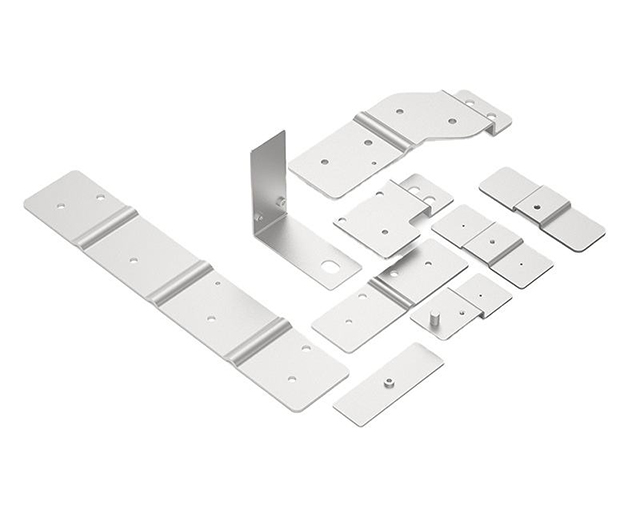
An aluminum bus bar is a rigid or custom-machined electrical conductor designed to carry high current between electrical components. Instead of using multiple cables, a bus bar provides a compact and efficient electrical pathway that reduces wiring complexity and improves system reliability.
Aluminum bus bars are commonly manufactured from high-performance aluminum alloys such as:
6101 aluminum
6061 aluminum
6063 aluminum
Among these materials, 6101 aluminum is widely used because it provides an excellent balance between electrical conductivity and mechanical strength.
Compared with copper, aluminum offers:
Lower weight
Lower material cost
Good electrical conductivity
Excellent corrosion resistance
Easy machining and fabrication
An aluminum bus bar works as a low-resistance conductor that efficiently transfers electrical current between batteries, power modules, switchgear, and other electrical components.
Instead of routing numerous electrical cables, a bus bar creates a centralized conductive pathway that offers:
Efficient current distribution
Lower electrical resistance
Simplified system design
Improved heat dissipation
Easier installation and maintenance
By increasing the conductor's cross-sectional area, aluminum bus bars can carry high current while maintaining excellent electrical performance.
Different aluminum alloys are selected according to application requirements.
| Material | Features | Typical Applications |
|---|---|---|
| 6101 Aluminum | High electrical conductivity | Power distribution, EV battery systems |
| 6061 Aluminum | High strength and excellent machinability | Industrial equipment, structural components |
| 6063 Aluminum | Excellent extrusion performance | Electrical enclosures and custom profiles |
Surface treatments are also available to improve conductivity and corrosion resistance, including:
Tin plating
Nickel plating
Conductive coating
Anodizing
One of the biggest advantages of an aluminum bus bar is its low weight.
Aluminum weighs approximately one-third as much as copper, making it an excellent choice for applications where weight reduction improves efficiency.
Industries benefiting from lightweight bus bars include:
Electric vehicles
Rail transportation
Aerospace
Renewable energy
Compared with copper, aluminum offers significant cost advantages.
Benefits include:
Lower raw material cost
Reduced transportation expenses
Lower overall system cost
Better cost-performance ratio for large projects
Although aluminum has lower conductivity than copper, properly designed aluminum bus bars can achieve excellent current-carrying performance by increasing conductor size.
This makes aluminum a practical solution for many medium- and high-current electrical applications.
Aluminum naturally forms a protective oxide layer that helps resist corrosion.
Additional surface treatments further improve durability, allowing aluminum bus bars to operate reliably in outdoor and demanding industrial environments.
Aluminum bus bars are widely used in electric vehicles for:
Battery module connections
Battery packs
Power Distribution Units (PDU)
Charging systems
Their lightweight construction helps improve overall vehicle efficiency while providing reliable electrical connections.
Battery energy storage systems require efficient power transmission between battery modules and electrical equipment.
Aluminum bus bars help:
Reduce system weight
Improve installation efficiency
Deliver reliable high-current performance
Aluminum bus bars are commonly installed in:
Switchgear
Distribution panels
Electrical cabinets
Transformers
Industrial power systems
Applications include:
Solar power systems
Wind energy equipment
Energy storage systems
Power conversion equipment
Their corrosion resistance makes them suitable for outdoor electrical installations.
Choosing between aluminum and Copper Bus Bars depends on application requirements.
| Feature | Aluminum Bus Bar | Copper Bus Bar |
| Weight | Lightweight | Heavy |
| Cost | Lower | Higher |
| Electrical Conductivity | Good | Excellent |
| Corrosion Resistance | Excellent | Good |
| Mechanical Strength | Good | Excellent |
| Typical Applications | EV, BESS, renewable energy | High-current industrial systems |
If lightweight construction and cost reduction are priorities, aluminum bus bars are often the preferred choice. For applications requiring maximum conductivity in limited space, copper bus bars may be more suitable.
When selecting an aluminum bus bar, consider the following factors:
Current carrying capacity
Aluminum alloy grade
Bus bar dimensions
Surface treatment
Installation environment
Mechanical strength requirements
Terminal design
Industry standards and certifications
Working with an experienced manufacturer ensures the bus bar is optimized for your specific application.
As a professional manufacturer of custom electrical conductors, we provide high-quality aluminum bus bar solutions for customers worldwide.
Our capabilities include:
Custom dimensions and profiles
CNC machining and drilling
Tin plating and other surface treatments
OEM and ODM manufacturing
Engineering support for custom projects
Strict quality control throughout production
Whether your project involves EV batteries, energy storage systems, industrial automation, or power distribution, we can deliver aluminum bus bars that meet your technical and performance requirements.
An aluminum bus bar is an electrical conductor made from aluminum alloy that distributes electrical current between power sources and electrical equipment.
Aluminum bus bars are used because they are lightweight, cost-effective, corrosion-resistant, and capable of carrying high electrical current in a wide range of industrial applications.
Each material has its advantages. Aluminum bus bars offer lower weight and lower cost, while copper bus bars provide higher electrical conductivity and are preferred where maximum conductivity is required.
Aluminum bus bars are commonly used in electric vehicles, battery energy storage systems, switchgear, renewable energy equipment, industrial power distribution, and electrical control systems.

Copyright © 2026 G AND N FORTUNE LIMITED All rights reserved.