


 English

Blog

2026-07-08 14:56:57
In modern electrical infrastructure, efficient power transmission and distribution are essential for ensuring stable and reliable operation. A bus bar in electrical power system is one of the most important components used to transfer and distribute large amounts of electrical current between power sources and electrical equipment.
Many engineers and buyers often search for what is bus bar in electrical power system because busbars play a critical role in switchgear, power distribution cabinets, industrial equipment, renewable energy systems, and battery storage applications.
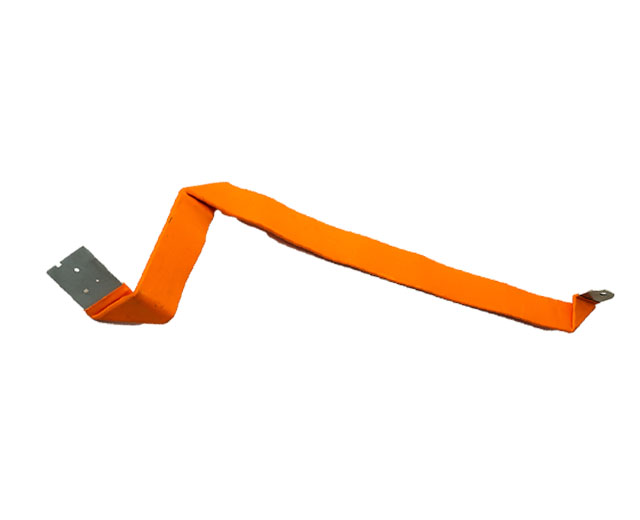
A busbar is a metallic conductor designed to carry and distribute electrical current within a power system. Unlike traditional electrical cables, a busbar usually has a flat, rectangular, or solid metal structure that provides excellent conductivity and heat dissipation.
The most common materials used for busbars are:
Copper busbar
Because copper and aluminum have excellent electrical conductivity, they can safely handle high current loads while reducing energy losses.
A typical busbar consists of:
Conductive metal body
Connection holes or terminals
Insulation coating (optional)
Mounting supports
In simple terms, a busbar works like an electrical highway that collects power from one source and distributes it to multiple circuits.
A bus bar in electrical power system is a central conductive path used to connect different electrical components, including:
Generators
Transformers
Circuit breakers
Distribution feeders
Electrical loads
The main purpose of a busbar is to provide a reliable connection point for power distribution.
For example:
Power Source
↓
Transformer
↓
Bus Bar System
↓
Circuit Breakers
↓
Electrical Equipment
This structure improves power management, reduces wiring complexity, and increases system reliability.
An electrical bus bar works by providing a low-resistance pathway for electrical current flow.
When electrical energy enters the busbar, the conductive metal distributes the current to connected circuits. Due to its large surface area and high conductivity, the busbar can carry much higher currents compared with standard wires.
The working process includes:
The busbar receives electrical power from incoming sources such as:
Transformers
Generators
Solar inverters
Battery systems
The collected electricity is distributed to multiple outgoing circuits through connected terminals.
A properly designed bus bar system allows easier monitoring, maintenance, and expansion of electrical networks.
Different electrical systems require different busbar designs depending on current capacity, installation environment, and mechanical requirements.
A copper busbar is the most widely used type of busbar because copper provides excellent electrical conductivity and thermal performance.
Advantages:
High current carrying capacity
Low electrical resistance
Excellent corrosion resistance
Long service life
Common applications:
Switchgear
Industrial control panels
Power distribution systems
Battery connections
Copper busbars are especially suitable for high-performance applications requiring stable electrical performance.
An aluminum busbar is a lightweight alternative to copper.
Advantages:
Lower weight
Lower material cost
Good electrical conductivity
Suitable for large-scale installations
Aluminum busbars are commonly used in:
Power transmission systems
Renewable energy projects
Large electrical distribution equipment
A flexible busbar is designed to provide movement flexibility and absorb mechanical stress.
Compared with rigid conductors, flexible busbars can handle:
Vibration
Thermal expansion
Limited movement
Common applications:
EV battery systems
Energy storage systems
Industrial machinery
Electrical equipment with limited installation space
Flexible busbars are usually made from laminated copper foil or braided copper materials.
A solid busbar is a rigid conductor designed for fixed electrical installations.
Features:
High mechanical strength
Stable connection
Excellent current capacity
Solid busbars are widely used in:
Switchgear assemblies
Distribution panels
Industrial power systems
A bus bar system is a complete arrangement consisting of busbars, supports, insulation components, and connection accessories.
A bus bar system helps organize electrical distribution by replacing complicated cable networks.
Typical components include:
Main busbar
Branch busbars
Busbar connectors
Insulation covers
Mounting brackets
Advantages of a bus bar system:
Simplified installation
Reduced wiring space
Improved safety
Easier maintenance
Better scalability
A power distribution busbar is commonly used in medium and high-power electrical systems.
Typical applications include:
Used for:
Factory power distribution
Motor control centers
Heavy machinery
Busbars connect:
Circuit breakers
Protection devices
Incoming and outgoing power lines
Used in:
Solar power systems
Wind power systems
Energy storage systems
Electrical bus bars provide reliable power distribution for:
Server racks
UPS systems
Power management equipment
Depending on voltage requirements, busbars can be divided into different categories.
A high voltage busbar is designed for power systems operating at higher voltage levels.
Applications include:
Electrical substations
Power transmission systems
Large industrial facilities
Features:
High insulation requirements
Strong mechanical design
Excellent fault current resistance
A low voltage busbar is commonly used in:
Distribution cabinets
Control panels
Commercial buildings
Industrial equipment
Advantages:
Compact design
Easy installation
Efficient power distribution
Using a professional bus bar electrical solution provides several benefits.
Busbars can carry large amounts of current safely compared with traditional wiring.
The large conductive surface reduces electrical resistance and improves efficiency.
A busbar system requires less installation space than multiple cable connections.
The flat structure allows heat to spread efficiently.
Electrical connections are easier to inspect and repair.
High-quality electrical bus bars provide stable performance in demanding environments.
Bus bars electrical solutions are widely used in:
Power plants
Electrical substations
Industrial automation
Battery energy storage systems
Electric vehicles
Solar power systems
Wind energy systems
Data centers
Commercial buildings
Whether it is a copper busbar, aluminum busbar, flexible busbar, or solid busbar, each design provides a reliable solution for different electrical requirements.
Understanding what is bus bar in electrical power system is essential for designing safe and efficient power distribution networks.
A busbar is a high-performance electrical conductor that collects, transfers, and distributes electrical power. With different options including copper busbar, aluminum busbar, flexible busbar, solid busbar, high voltage busbar, and low voltage busbar, busbars can meet the requirements of various industrial and commercial applications.
A properly designed electrical bus bar system improves energy efficiency, reduces installation complexity, and provides long-term reliability for modern electrical power systems.

Copyright © 2026 G AND N FORTUNE LIMITED All rights reserved.